
Cybersecurity
Google Chrome Update Fixes 28 Security Vulnerabilities


Estimated Reading Time: 2 minutes
Key Takeaways
- Google’s latest update patches 28 security vulnerabilities in Chrome, including critical bugs.
- Vulnerabilities may allow remote code execution via malicious websites.
- The update affects users on Windows, macOS, and Linux systems.
- Critical vulnerabilities were identified, highlighting the importance of timely updates.
Background
Browser security is paramount given the prevalence of online threats. Google’s latest update addresses vulnerabilities that could allow attackers to execute arbitrary code on users’ devices simply by enticing them to visit malicious websites. The vulnerabilities have been identified and classified with multiple critical flaws, emphasizing the urgency for users to apply the latest updates to their browsers.
Key Details
The new Chrome update, moving to version 149.0.7827.114/.115 for Windows and macOS and 149.0.7827.114 for Linux, includes several critical security fixes. Of the 28 vulnerabilities patched, many are categorized as critical, primarily due to memory corruption issues that could lead to full system compromise (Cybersecurity News).
Highlights of the vulnerabilities:
- Use-after-free vulnerabilities were discovered in core components, including DigitalCredentials and WebMIDI, assigned CVEs such as CVE-2026-12007 and CVE-2026-12008.
- A heap buffer overflow in the GPU component (CVE-2026-12010) and insufficient validation of untrusted input in Accessibility (CVE-2026-12009) are also notable flaws.
- Exploiting these issues could allow attackers to run arbitrary code and potentially escape the browser’s sandbox, granting them access to control the underlying system.
The update is being gradually rolled out, with full deployment expected over days to weeks. Users can manually check for updates via Chrome’s settings to receive the new version immediately.
Impact
All users of Chrome, including those on Windows, macOS, and Linux prior to this update, are at risk. This includes sectors that rely heavily on Chrome, such as government agencies, enterprises, and small to medium-sized businesses, particularly in India where Chrome remains a dominant browser on both desktop and mobile platforms.
The exploitation of these vulnerabilities could result in significant impacts, including unauthorized program installations, data manipulation, or even the creation of new user accounts with full rights if the targeted user has administrative access. These scenarios underscore the urgency for all users to update their browsers to mitigate risks.
India Relevance
India has a substantial user base for Chrome, particularly among Android users and in various enterprises and government sectors where Chrome is the standard browser. As such, any vulnerabilities identified in the global version directly affect Indian users and organizations, increasing their risk of encountering drive-by attacks via compromised websites. Similar to how advisories are issued in other regions, Indian organizations can expect relevant alerts urging immediate updates based on this release.
What’s Next
Google’s latest Chrome update serves as a crucial reminder of the importance of maintaining browsers and applications at their latest versions to defend against security vulnerabilities. Users and organizations are encouraged to prioritize browser updates and ensure ongoing monitoring for unusual activities within their systems. This release highlights the necessity of a proactive approach to cybersecurity, especially in an increasingly digital landscape.
FAQ
What vulnerabilities are being patched in the latest Chrome update?
The latest update patches a total of 28 vulnerabilities, including critical ones that allow for remote code execution and various memory corruption issues.
How can users ensure they have the latest version of Chrome?
Users can manually check for updates via Chrome’s settings to ensure they receive the newest version, which is being gradually rolled out.
Why is it important to update the browser frequently?
Frequent updates help protect against new vulnerabilities and security threats, ensuring a safer browsing experience for all users.








Chrome and Firefox Release Security Updates for Vulnerabilities
Estimated Reading Time: 3 minutes
Key Takeaways
- Chrome and Firefox have announced important security updates to address vulnerabilities.
- Keeping browsers up to date is critical for user safety against cyber threats.
- Users are encouraged to enable automatic updates to receive the latest security patches.
- The updates are significant for a global user base, especially in India.
Context / Background
Web browsers are essential tools for daily internet navigation, making their security a top priority for both developers and users. Google Chrome and Mozilla Firefox, two of the most widely used browsers globally, frequently release updates to patch vulnerabilities and enhance user protection. Keeping browsers up to date is crucial to mitigate risks associated with cyber threats.
Key Details
The announcements regarding the security updates were made public by both Google and Mozilla this past week. Although the detailed contents of the vulnerabilities have not been explicitly confirmed, the updates are part of routine measures to fortify browser security against emerging threats. These updates typically involve addressing bugs that could be exploited by attackers to gain unauthorized access to user data or systems.
Additionally, Chrome and Firefox maintain a robust protocol for notifying users about available updates. For both browsers, users are encouraged to enable automatic updates to ensure they receive the latest security patches promptly.
Impact
The security updates from Chrome and Firefox are significant for millions of users across the globe, including substantial user bases in India. Internet users in India, where online activity has increased dramatically over the years, must remain vigilant about security vulnerabilities that could compromise their personal data and privacy. With the continued rise of cyber threats, timely updates are crucial for maintaining device and information safety.
The updates serve not just individual users but also organizations that rely on these browsers to conduct business operations securely. Companies that incorporate remote work arrangements and leverage web-based tools are particularly at risk if browsers are not regularly updated.
What’s Next
As digital threats evolve, continued collaboration between browser developers and cybersecurity authorities will be necessary to safeguard user data. Ongoing vigilance and prompt updates will be key in the fight against cybercriminal activity. Users are advised to regularly check for updates and promptly implement them to maintain optimal security levels.
FAQ Section
What are the security updates for Chrome and Firefox?
The security updates announced for Chrome and Firefox aim to address various vulnerabilities in the browsers to enhance user safety and prevent potential malicious attacks.
Why are browser updates important?
Browser updates are essential to patch vulnerabilities that attackers could exploit, thus ensuring user data and privacy are protected from cyber threats.
How can users enable updates for their browsers?
Users can enable automatic updates within the settings of both Chrome and Firefox to ensure they receive the latest security patches as soon as they are available.

China-Linked SprySOCKS Backdoor Expands to Windows with Advanced Features
Estimated Reading Time: 5 minutes
Key Takeaways
- The FishMonger group has ported its SprySOCKS backdoor from Linux to Windows.
- Two new variants, WIN_DRV and WIN_PLUS, offer enhanced stealth and features.
- Both variants have been actively used against government entities in multiple countries.
- The evolution of SprySOCKS signifies a larger threat landscape for cybersecurity.
- Proactive defense strategies become essential to combat such sophisticated malware.
Background on FishMonger and SprySOCKS
FishMonger, also tracked as Earth Lusca and various other names, has been active in global espionage operations since at least 2021. Initially identified in Linux environments, SprySOCKS has previously targeted government organizations across Southeast Asia and Latin America. According to ESET researchers, two new Windows variants—internally designated WIN_DRV and WIN_PLUS—have been discovered, which further extend the malware’s capabilities and stealth measures (source).
Key Details of the Windows Variants
Enhanced Capabilities
The WIN_DRV variant operates with a kernel driver, providing advanced stealth by concealing processes, files, and network connections, and rerouting TCP traffic to obscure its operations. The WIN_PLUS variant, while lacking the kernel-mode driver, shares core functionalities with WIN_DRV (source). Both variants feature support for various communication protocols, including TCP, UDP, and WebSocket, alongside over 30 C2 commands for system reconnaissance, file manipulation, and tunneling traffic through an embedded SOCKS proxy.
Timeline of Discovery and Usage
Both the WIN_DRV and WIN_PLUS variants were actively used against government organizations in Honduras, Taiwan, Thailand, and Pakistan during 2023-2024. The first detection of a WIN_PLUS sample occurred in July 2024, indicating rapid deployment within targeted networks (source).
Impact of the SprySOCKS Expansion
Affected Parties
The primary victims identified so far include government entities in several countries, such as Honduras, Taiwan, Thailand, and Pakistan. This indicates a targeted approach focused on espionage rather than financial gain, aligning with past operations by FishMonger which have historically aimed at high-value institutions, including NGOs and media organizations (source).
Broader Implications
The evolution of SprySOCKS from a Linux-only backdoor to a cross-platform threat represents a significant escalation in the sophistication and reach of FishMonger’s operations. The introduction of kernel-level stealth will complicate detection and remediation efforts. As security agencies strive to safeguard sensitive data, the risks posed by malware with such robust capabilities highlight the necessity for ongoing vigilance and proactive defense strategies.
What’s Next
The expansion of the SprySOCKS backdoor demands increased scrutiny from security professionals, particularly in regions already impacted by these attacks. Organizations should prioritize patch management of public-facing services and maintain rigorous monitoring of network traffic for unusual patterns indicative of potential breaches. The potential for similar attacks in broader regions, including India, should not be underestimated, even if no specific intrusions have been reported in the country to date.
As FishMonger continues to iterate on its operational toolset, the global cybersecurity community will need to enhance defenses against this evolving threat landscape. The growing capabilities of malware like SprySOCKS mark a significant challenge in safeguarding national and international interests amidst an increasingly complex cyber warfare environment.
FAQ Section
What is the SprySOCKS backdoor?
SprySOCKS is a malware backdoor initially developed for Linux systems which has now been ported to Windows, featuring advanced stealth and command-and-control capabilities.
Who is behind the FishMonger group?
FishMonger is a cyber-espionage group believed to have links to China, involved in high-value political and governmental espionage operations since at least 2021.
Which countries have been targeted by the SprySOCKS variants?
The targeted countries include Honduras, Taiwan, Thailand, and Pakistan, with evidence of attacks occurring throughout 2023 and 2024.
How can organizations safeguard against such threats?
Organizations should invest in patch management, monitor network traffic, and develop proactive cybersecurity strategies to detect and mitigate potential breaches.
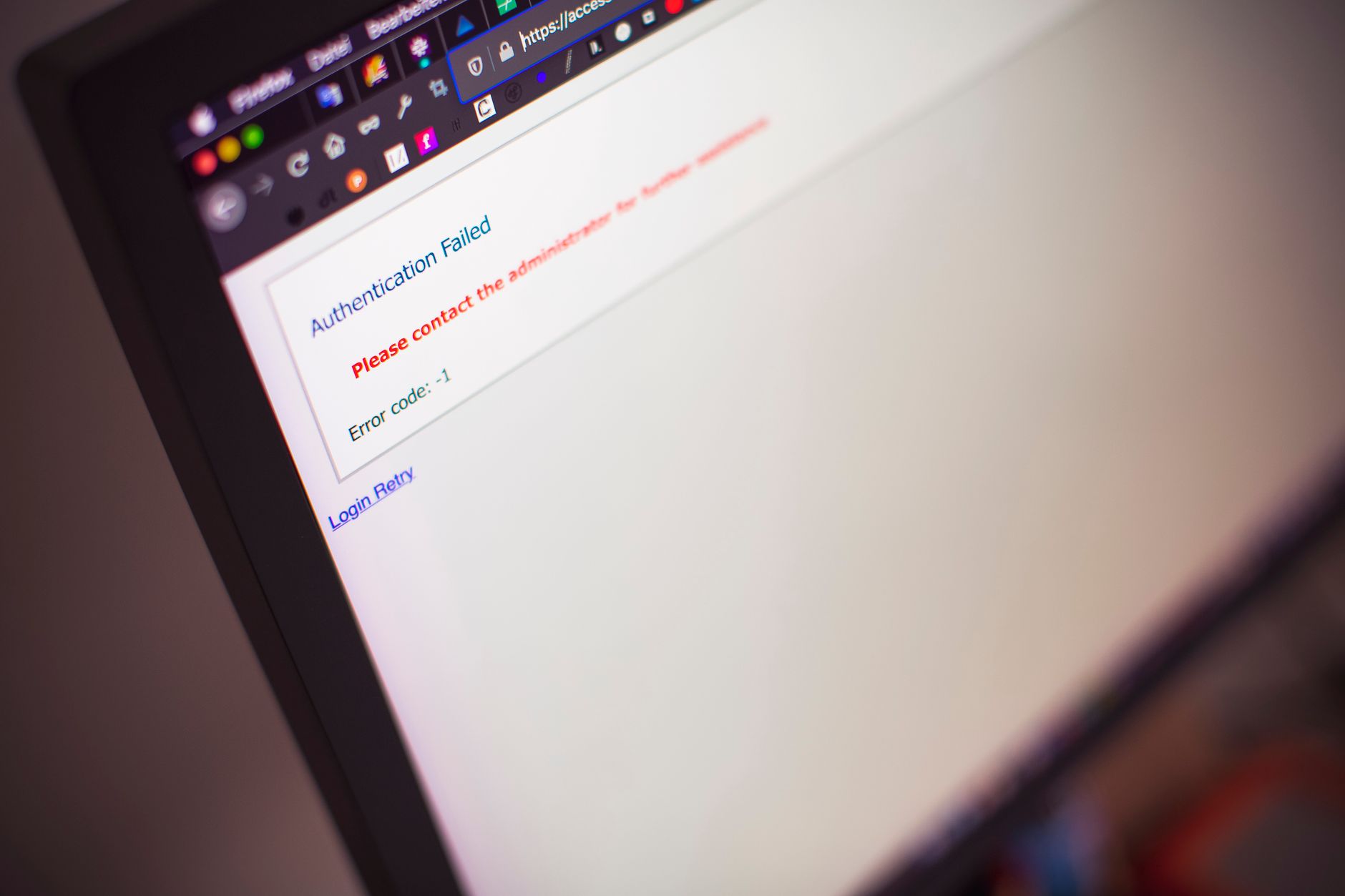
Supply-Chain Attack on OptinMonster Exposes Over 1.2 Million WordPress Sites
Estimated Reading Time: 3 minutes
Key Takeaways
- Over 1.2 million WordPress sites using OptinMonster are at risk due to a supply-chain attack.
- Malicious JavaScript files served from Awesome Motive’s CDN were compromised.
- Attackers created unauthorized admin accounts and exfiltrated sensitive data.
- The incident underscores the vulnerabilities in plugin infrastructure.
- Site owners are urged to enhance their security measures immediately.
Context / Background
OptinMonster, one of the most widely used WordPress plugins for email and lead generation, with over one million active installs, was involved in a broader attack that included two other products: TrustPulse and PushEngage. This incident highlighted vulnerabilities within the third-party infrastructure that supports essential web services.
Key Details
The attack did not originate from direct exploitation of WordPress sites but rather from tampering with JavaScript files hosted on Awesome Motive’s CDN. When a logged-in administrator visited a page that loaded these scripts, injected code executed several malicious actions. These included creating a rogue administrator account and installing a hidden backdoor plugin, allowing continuous access to compromised sites. Sensitive credentials and tokens were also exfiltrated to a fake domain mimicking a legitimate service.
Awesome Motive later confirmed that the initial breach occurred after attackers exploited a known vulnerability in the UpdraftPlus WordPress backup plugin. They gained access to a marketing server, retrieving a CDN API key that was subsequently misused to alter the JavaScript files served to their customers.
On June 12, 2026, attackers modified JavaScript served from various endpoints for approximately 25 minutes, impacting the functionality of both OptinMonster and TrustPulse during that time. While the malicious script in PushEngage served harmful code for several hours, security researchers determined that the malicious code line was accessed by approximately 1.2 million WordPress sites loaded with scripts from these products.
Following this incident on June 13, Awesome Motive responded by removing the malicious code and beginning an internal investigation. However, some vulnerabilities lingered, with part of PushEngage’s CDN still serving the attacked scripts into June 14.
Impact
This incident has direct implications for website owners using the affected plugins, particularly when an administrator accessed the compromised scripts. They are now at risk, as attackers can create unauthorized admin accounts, install backdoors, and potentially exfiltrate sensitive data.
The attack poses significant risks, especially for e-commerce sites and online businesses using OptinMonster for lead generation and PushEngage for customer engagement. The repercussions could extend to breaches of customer privacy and financial transactions.
In India, a large population of WordPress users, including news sites, e-commerce platforms, and digital marketing agencies, are at risk. While specific instances of affected Indian websites have not been reported, the global scale of this attack implies that Indian operators using these plugins may be vulnerable.
What’s Next
In the wake of this attack, the WordPress community and affected users are urged to undertake specific security measures. Site owners are advised to run comprehensive malware scans, audit their admin accounts, and monitor their server logs for any signs of compromise. They should also check for unauthorized plugins or unusual file activity within their installations.
This incident emphasizes the growing need for robust security protocols regarding plugin and third-party integrations in the WordPress ecosystem. It also highlights the vulnerabilities inherent in supply-chain processes, underscoring the need for vigilance and immediate remediation to protect against evolving threats.
FAQ Section
What should I do if my site uses OptinMonster?
Site owners should audit their installations, run malware scans, and ensure they have not been compromised. It’s also crucial to monitor server logs for unusual activities.
Is there a way to prevent future attacks?
Implementing robust security measures and monitoring third-party plugin updates can help mitigate risks. Regular audits and scans are essential.
What other plugins were affected?
TrustPulse and PushEngage were also impacted by the supply-chain attack alongside OptinMonster.



-

 Entertainment1 year ago
Squid Game Season 3 Trailer Teases a Brutal Finale: Gi-hun Returns for One Last Game
-

 Science12 months ago
Aryabhata: India’s First Satellite That Sparked a Space Revolution
-

 AI/ML8 months ago
Adobe unveils Firefly Foundry to build IP-safe generative AI models for studios
-

 Science1 year ago
Vera C. Rubin Observatory Unveils First-Ever 3,200-Megapixel Images
-

 Tech3 months ago
KPMG Withdraws AI Report Over Accuracy Issues
-
 Business1 year ago
Apple’s India Strategy Faces New Hurdles Amid Trump’s 25% iPhone Tariff Threat
-
 AI/ML1 year ago
Google I/O 2025: AI Takes Center Stage in a Future-Forward Showcase
-

 Science1 year ago
Axiom Mission 4 Blasts Off: India’s Shubhanshu Shukla Joins Historic Journey to ISS