
Gadgets
OnePlus Turbo 6X and Turbo 6X Pro Launch with Massive Batteries


Estimated Reading Time: 4 minutes
- Large Batteries: Turbo 6X Pro features an 8,000mAh battery, while Turbo 6X has a 7,000mAh.
- Advanced Chipsets: Both models are powered by MediaTek Dimensity chipsets.
- Camera Features: Pro version includes a superior dual-camera setup.
- Aggressive Pricing: Starting from CNY 1,899 (approx. $280).
- Global Launch Anticipated: Devices expected to rebrand as OnePlus Nord for international markets.
Context / Background
The introduction of the Turbo 6X series is noteworthy as it highlights OnePlus’ strategy to appeal to mid-range consumers, a segment that is increasingly competitive. Currently exclusive to China, these devices boast significant battery advancements, positioning them as strong contenders in a market where battery life is becoming a key selling point.
Key Details
Battery and Charging
The Turbo 6X Pro is equipped with an 8,000mAh Silicon-carbon (Si-C) battery, providing substantial energy for prolonged use. Meanwhile, the Turbo 6X comes with a 7,000mAh battery, which is notably larger than the average capacity seen in many mid-range smartphones, typically around 5,000mAh. Both devices support fast charging, with the Pro model featuring 80W SuperVOOC charging capabilities and allowing up to 55W with third-party chargers, while the standard model supports 45W SuperVOOC charging (source).
Display and Performance
The Turbo 6X Pro features a 6.78-inch M14 AMOLED display with a resolution of 1.5K (1,272 × 2,772 pixels) and a refresh rate of 144Hz, which offers a smooth visual experience. In contrast, the Turbo 6X sports a slightly smaller 6.72-inch LCD screen with a Full HD+ resolution. Both models come with up to 12GB RAM and 256GB storage configurations, but the Pro variant is powered by the more advanced MediaTek Dimensity 7400 Super, while the standard model uses the Dimensity 7360 Super chipset (source).
Camera Setup
Camera capabilities differ notably between the two models. The Turbo 6X Pro features a dual-camera setup with a 50MP main sensor and an 8MP ultrawide lens, whereas the Turbo 6X has a 50MP main camera paired with a 2MP monochrome sensor, which limits its versatility compared to the Pro version. Both phones come with a 16MP front camera for selfies, though the standard model’s selfie camera is lower at 8MP (source).
Pricing and Availability
In terms of pricing, the Turbo 6X starts from CNY 1,899 (approximately $280) for the base model with 8GB RAM and 128GB storage. The Turbo 6X Pro begins at CNY 1,999 (around $295) for the same RAM and storage configuration. The devices will be available through the official Oppo online store in China, with shipments starting from June 15 (source).
Impact
The launch of the OnePlus Turbo 6X series is significant as it underscores the growing demand for high-capacity smartphones in the mid-range segment, particularly in the Chinese market. Users in this category are likely to benefit from the extensive battery life and powerful performance afforded by these new models. As the phones are expected to launch globally under the Nord branding, audiences in markets like India may see enhanced options suited to their preferences for long-lasting battery technology at aggressive pricing.
What’s Next
As these devices are currently China-exclusive, OnePlus is anticipated to reveal global launch plans, likely rebranding them as part of the Nord series for international markets. The introduction of substantial battery capacities at competitive price points could reshape consumer expectations in the mid-range smartphone landscape. Increased market competition may also prompt other manufacturers to enhance their battery offerings, further driving innovation within this segment.
FAQ Section
What is the battery capacity of the OnePlus Turbo 6X and Turbo 6X Pro?
The OnePlus Turbo 6X Pro features an 8,000mAh battery, while the Turbo 6X has a 7,000mAh battery.
What are the prices of the OnePlus Turbo 6X and Turbo 6X Pro?
The Turbo 6X starts from CNY 1,899 (approximately $280), and the Turbo 6X Pro begins at CNY 1,999 (around $295).
When will the OnePlus Turbo 6X and Turbo 6X Pro be available?
The devices will be available in China starting from June 15.


Google Launches Pre-Orders for Gemini Powered Google Home Speaker Ahead of Spring 2026 Release
Estimated Reading Time: 3 minutes
Key Takeaways
- The Gemini-powered Google Home Speaker is available for pre-order at $99.
- Equipped with 360° sound and enhanced AI for natural interactions.
- Launch expected in spring 2026 with delivery from major retailers.
- New Google Home Premium subscription offers advanced features at varying price tiers.
- Competitors may need to adapt to Google’s new pricing and subscription model.
Overview
Google has opened pre-orders for its upcoming Gemini-powered Google Home Speaker, bringing a new era of smart home technology directly into consumers’ living rooms. Priced at $99, this next-generation smart speaker combines 360° sound with advanced AI capabilities and tight integration with Google TV, with a wider launch expected in spring 2026.
Context / Background
The new Google Home Speaker represents the first significant update to Google’s smart speaker lineup in years, as it is designed from the ground up around the Gemini AI platform. Unlike previous models that focused on Google Assistant, this speaker aims to leverage enhancements in AI, particularly features allowing for more natural and interactive conversations. This shift is part of Google’s broader strategy to integrate AI more deeply into its ecosystem of products.
Key Details
The Gemini-powered Google Home Speaker is available for pre-order on the official Google Store and major retailers, including Best Buy, with spring 2026 specified as the time frame for delivery. Customers can expect a speaker that comes in four colors—porcelain, hazel, berry, and jade—wrapped in an eco-friendly 3D-knitted fabric.
In terms of audio quality, the speaker features 360° sound for immersive audio and can be paired with other Google devices, including Google TV Streamers, for a more extensive home theater setup. The core AI functions rely on Gemini, offering natural dialog capabilities known as Gemini Live, allowing users to engage in back-and-forth conversations and control multiple smart home devices in a single command.
This launch also introduces the Google Home Premium subscription service, which provides access to advanced features of Gemini. Pricing tiers for this service are reported to be $10 per month for basic access and $20 per month for more comprehensive functionalities.
Impact
The introduction of the Gemini-powered speaker is set to profoundly affect various stakeholders. Consumers will benefit from a relatively affordable AI-enhanced device that promises improved interaction and smart home integration. Existing Google Home and Nest users will receive updates as Gemini features roll out, while new customers can purchase the device directly or reserve it for future delivery.
For developers and smart home partners, the ability to create Gemini-powered devices indicates a revival of third-party integrations in the smart speaker market. As a consequence, a richer array of voice commands and automation features will be accessible.
In terms of competition, companies like Amazon and Apple will need to respond as Google’s mix of low pricing and advanced AI features set a new standard in the industry. The model of linking advanced functionalities to a subscription service may pressure competitors to re-evaluate their pricing and service offerings.
What’s Next
As the launch date approaches, the attention will shift towards how well the new Google Home Speaker integrates into existing smart home ecosystems, especially in non-target markets like India, where further regional rollouts and localization efforts will be necessary. With Google’s ambitious move to replace its assistant with Gemini, the speaker is likely to serve as a critical platform for future AI enhancements and integrations, keeping Google at the forefront of smart home innovation.
As consumers await its release, the transition towards more conversational AI in everyday devices appears to be an influential milestone in the development of smart home technologies.
FAQ Section
When will the Gemini-powered Google Home Speaker be available for purchase?
The speaker is available for pre-order now, with delivery expected in spring 2026.
What are the main features of the new Google Home Speaker?
It features 360° sound, Gemini AI for enhanced interactions, and supports multiple smart home devices.
Is there a subscription service associated with the new speaker?
Yes, the Google Home Premium subscription offers advanced features, priced at $10 and $20 per month depending on the access level.
How does the Gemini AI improve user interaction?
Gemini enhances natural dialog capabilities, enabling back-and-forth conversations and the ability to control multiple devices with a single command.
Gadgets
Apple’s Bold 2025 Lineup: iPhone 17 Pro, iOS 26, iPadOS Multitasking, and MacBook Pro Redesign
Apple is ready to roll out major upgrades in 2025—from a reimagined iPhone 17 Pro and smarter iOS 26 to advanced iPad multitasking and a powerful new MacBook Pro powered by M4. Here’s the deep dive into Apple’s next moves.
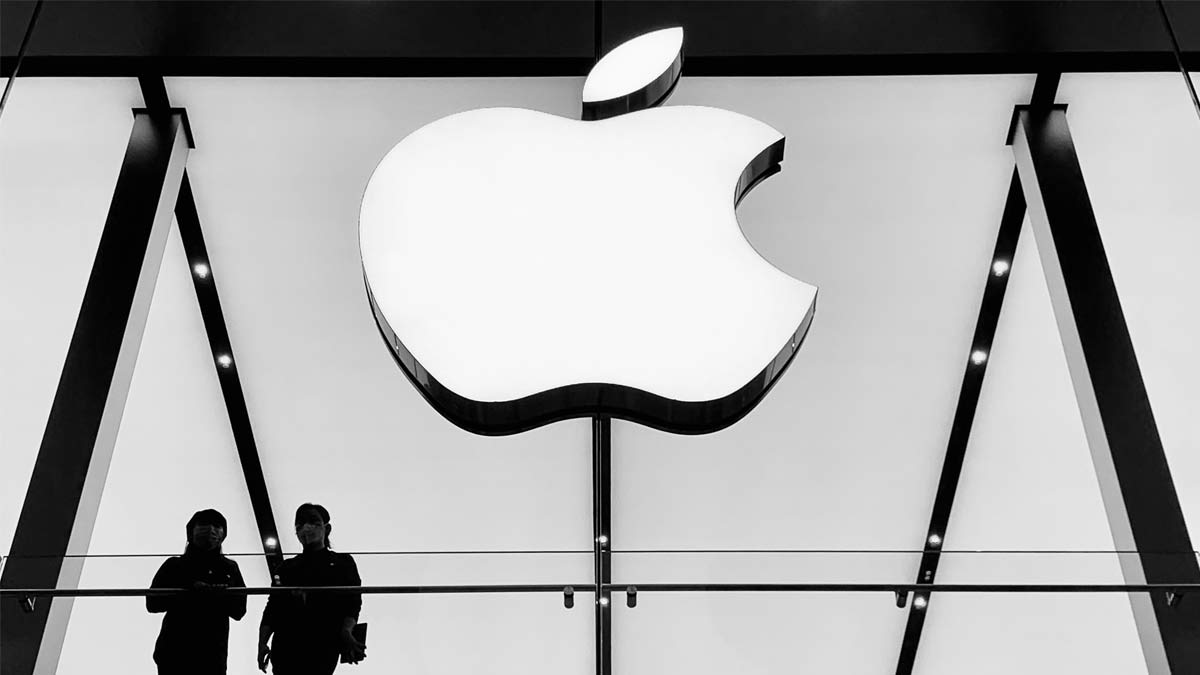
Apple is preparing for a sweeping set of updates across its core product lines—ushering in a new era of design, AI integration, and ecosystem alignment. As we move deeper into 2025, details are emerging about the upcoming iPhone 17 Pro, iOS 26, iPadOS upgrades, and a significant MacBook Pro redesign—all pointing toward Apple’s strategy of strengthening user experience across form factors while embedding artificial intelligence and custom silicon deeper into its DNA.
iPhone 17 Pro: A Leaner, Smarter Flagship
The iPhone 17 Pro is rumored to be Apple’s thinnest iPhone yet, thanks to advanced design techniques and materials. Reports suggest a completely re-engineered chassis, featuring under-display Face ID—a move that eliminates the notch and brings a seamless front display.
Titanium will continue to play a central role in construction, offering a lighter yet stronger frame. The camera system is also expected to get another leap forward, potentially integrating a next-gen periscope zoom lens and advanced AI photography capabilities, enhancing Night Mode, Portraits, and real-time scene detection.
The Pro lineup may also see improved thermals and battery optimization, benefiting from Apple’s custom silicon and system-wide software-hardware synergy.
iOS 26: Personalization, Performance, and Apple Intelligence
While not all iPhones will support Apple Intelligence, iOS 26 will still deliver improvements in Siri’s contextual understanding, lock screen personalization, and privacy-first AI features.
Supported models will see deeper on-device AI processing enabling proactive suggestions, real-time summarizations, and smarter keyboard predictions. Apple is also working on tightening its integration between apps and AI, ensuring native experiences like Mail, Notes, and Safari become more intuitive.
Privacy continues to be a focus, with Apple reportedly implementing Secure Enclave-enhanced AI routines, ensuring that even with smarter intelligence, your data remains yours.
iPadOS: Finally, Real Multitasking?
After years of incremental updates, Apple appears to be taking iPad multitasking seriously in 2025. The next iteration of iPadOS may feature a more dynamic Stage Manager, with support for freer window resizing, persistent app states, and advanced keyboard shortcuts—all aiming to transform the iPad into a credible laptop alternative.
This is in line with Apple’s broader effort to blur the lines between desktop-class workflows and touch-first interaction. The support for external displays is also expected to be more robust, possibly allowing independent spaces per screen.
MacBook Pro: M4 and Beyond
Apple is also gearing up to refresh the MacBook Pro lineup, potentially introducing the M4 chip, designed not just for speed, but for AI optimization and graphical performance.
The 2025 MacBook Pro could see display enhancements (including potential OLED variants), better power efficiency, and a lighter chassis, continuing Apple’s trend of slimming down without compromising on power.
The M4 is expected to focus heavily on AI and machine learning tasks—running Apple Intelligence models locally, enabling creative professionals to perform complex rendering, editing, and data science operations faster than ever before.
This shift shows Apple’s intention to make the MacBook Pro not just a workhorse but a future-ready AI powerhouse.
A Unified, AI-First Ecosystem
The convergence across devices is becoming more evident. With iOS 26, iPadOS, and macOS Sonoma’s successors, Apple is building a deeply unified, AI-powered experience—where workflows transcend devices and features feel consistent across platforms.
This is Apple’s answer to the growing wave of AI integration across the tech industry—balancing innovation, user control, and privacy.
While many features will be exclusive to higher-end, M-series or A-series devices, Apple’s approach seems to favor evolution over disruption—prioritizing seamless integration and everyday usability over flashy experiments.
Conclusion
Apple’s 2025 strategy signals a maturing but still bold tech company—pushing the limits of its hardware, perfecting its software ecosystem, and laying a strong foundation for AI-powered workflows. Whether you’re a casual user or a creative professional, the coming months are shaping up to be one of the most exciting periods in Apple’s recent history.


WhatsApp Updates with Username-Based Privacy Feature

Cursor Launches iOS App for Developers in Public Beta

Apple Creator Studio Update Brings AI Enhancements
-

 Entertainment1 year ago
Squid Game Season 3 Trailer Teases a Brutal Finale: Gi-hun Returns for One Last Game
-

 Science10 months ago
Aryabhata: India’s First Satellite That Sparked a Space Revolution
-

 AI/ML6 months ago
Adobe unveils Firefly Foundry to build IP-safe generative AI models for studios
-

 Tech1 month ago
KPMG Withdraws AI Report Over Accuracy Issues
-

 Science1 year ago
Vera C. Rubin Observatory Unveils First-Ever 3,200-Megapixel Images
-
 Business1 year ago
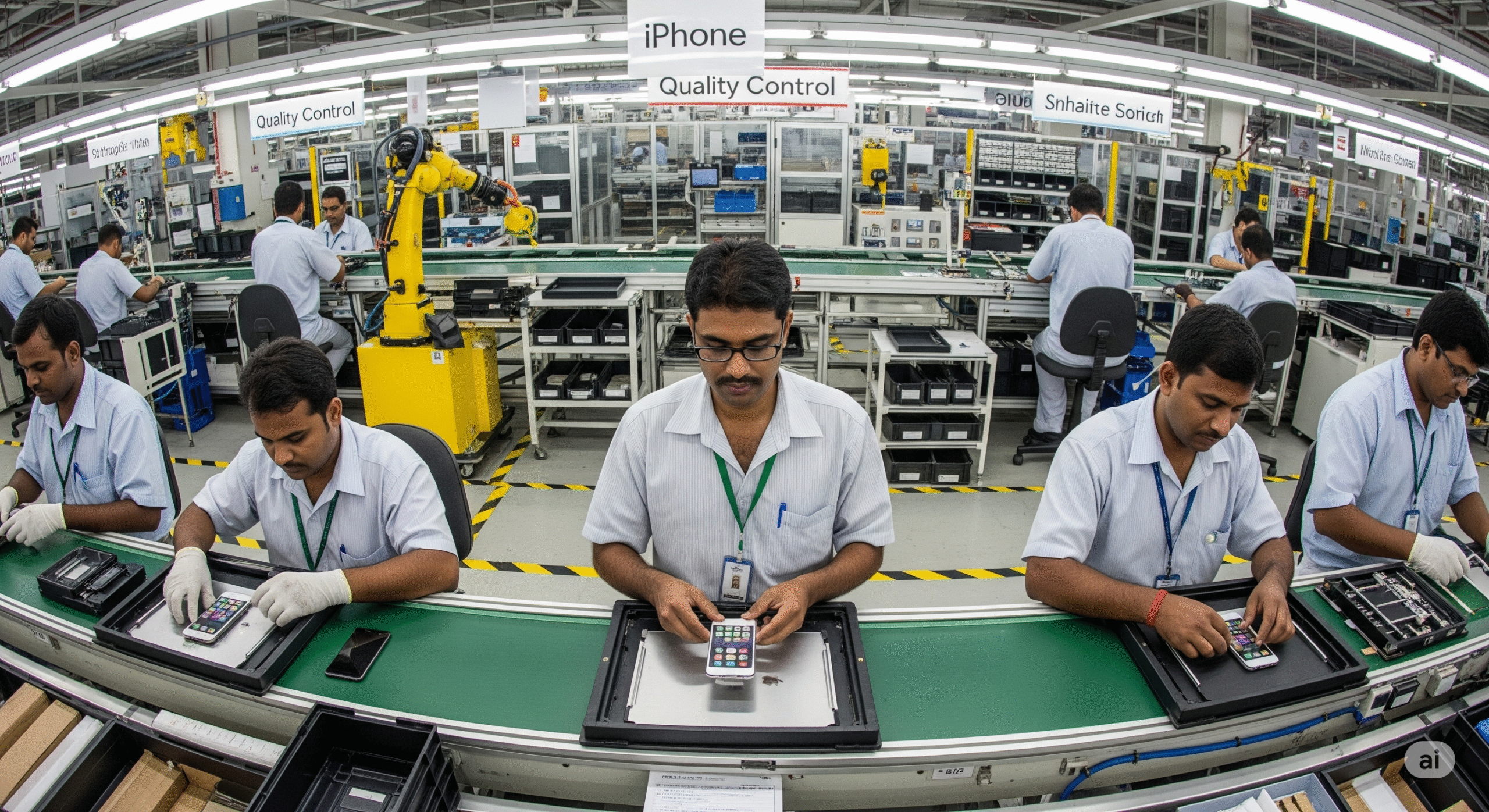
Apple’s India Strategy Faces New Hurdles Amid Trump’s 25% iPhone Tariff Threat
-
 AI/ML1 year ago
Google I/O 2025: AI Takes Center Stage in a Future-Forward Showcase
-

 Science1 year ago
Axiom Mission 4 Blasts Off: India’s Shubhanshu Shukla Joins Historic Journey to ISS