
Science
3-Planet Parade of Mercury, Venus, and Jupiter in 2026


A Celestial Event: 3-Planet Parade of Mercury, Venus, and Jupiter to Light Up the Sky on June 12, 2026
Estimated Reading Time: 3 minutes
Key Takeaways
- The 3-planet parade featuring Mercury, Venus, and Jupiter will be visible shortly after sunset on June 12, 2026.
- The optimal viewing window is approximately 30 minutes after local sunset.
- Venus will be the brightest and easiest to spot, followed by Mercury and Jupiter.
- Clear viewing conditions and elevated locations may be necessary for urban observers.
- The event will serve as an opportunity for educational outreach, especially for astronomy clubs and schools.
Main Content
Context / Background
Planetary parades, where multiple planets align and are visible together in the night sky, are notable astronomical events. While it is common to see two or three planets around sunset, larger groupings are less frequent and can be captivating for both amateur astronomers and casual sky gazers. This specific parade of Mercury, Venus, and Jupiter will occur during a broader planetary event throughout June 2026, which includes the close pairing of Venus and Jupiter just a few days earlier on June 9.
Key Details
The parade will present Mercury, Venus, and Jupiter aligned in a slanted line along the ecliptic, creating a visual treat for those who catch it at the right time. The optimal viewing window is approximately 30 minutes after local sunset, during which the alignment will last around 30 to 45 minutes before Mercury and Jupiter set below the horizon.
For anyone interested in viewing this planetary spectacle, they should aim for a clear, unobstructed view of the horizon, especially towards the western sky. Bright twilight may make the fainter planets more challenging to spot, so timing is crucial.
Venus will be the easiest to distinguish as it is the brightest planet, visible first in the twilight sky. After spotting Venus, observers can look down and slightly to the right to locate Mercury and Jupiter.
In terms of viewing equipment, the alignment can be seen with the naked eye, but using a wide-angle lens or a smartphone for photography may enhance the experience.
Impact
This event is particularly significant for sky watchers in many regions, as it presents an excellent opportunity for educational outreach, particularly within the context of astronomy clubs and schools. The visibility of Venus as a prominent evening object will likely attract both seasoned astronomers and casual observers.
The increased visibility of Mercury later in June, following this parade, will sustain interest in astronomy during the month, potentially leading to more public engagement with sky watching. For regions in India, where both urban and rural areas may witness varying levels of light pollution, clear viewing conditions will be essential. Those in cities may need to seek elevated or dark spaces to get the best view of the parade.
What’s Next
In the days leading up to the parade, discussions and excitement about the planetary alignments will likely grow, especially as the Venus-Jupiter close pairing on June 9 draws attention. As June progresses, sky watchers will also notice Mercury gaining prominence in the early evening sky through June 22, making this an excellent month for astronomical observation. As always with celestial events, preparation and awareness of timing and location will enhance the viewing experience for all.
FAQ Section
What is a planetary parade?
A planetary parade is an astronomical event where multiple planets align in the night sky, making them visibly noticeable together.
When is the next 3-planet parade?
The next 3-planet parade featuring Mercury, Venus, and Jupiter will occur on June 12, 2026.
How can I view the parade?
To view the parade, find a clear, unobstructed view towards the western sky about 30 minutes after sunset. A wide-angle lens or smartphone camera can improve the viewing experience.

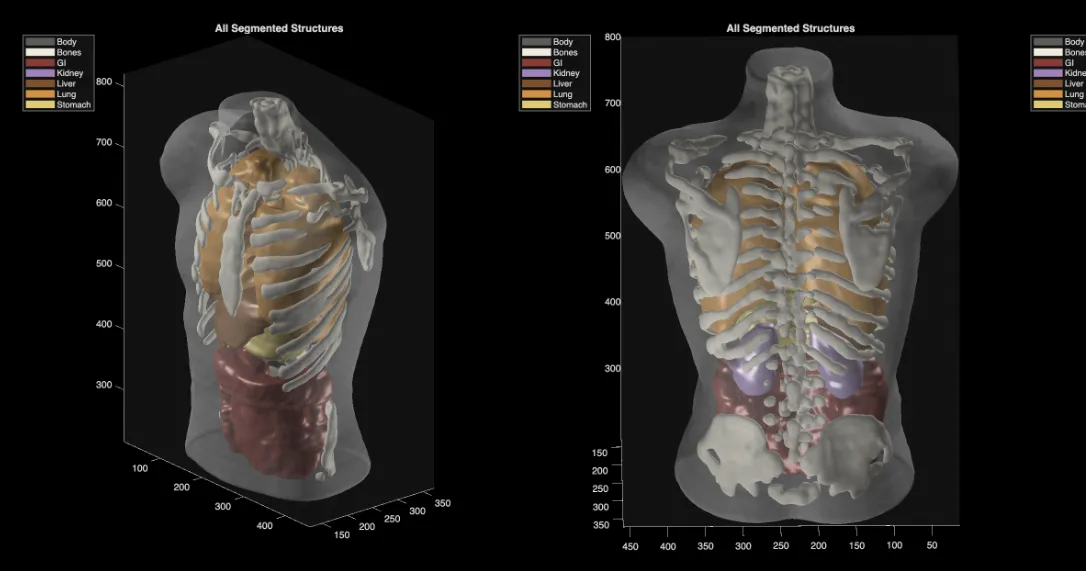
Midjourney’s Role in Medical AI and Ultrasound Scans
Estimated Reading Time: 5 minutes
- Midjourney is exploring applications of AI in ultrasound analysis.
- AI has the potential to enhance diagnostic accuracy and speed.
- Collaboration between AI developers and healthcare experts is crucial.
- AI integration could alleviate workforce burdens in healthcare.
- Ethical and regulatory discussions will be essential as AI evolves.
Context / Background
Recent advancements in medical imaging technologies have been pivotal in enhancing diagnostics and treatment options. Ultrasound scans, traditionally reliant on human interpretation, are now increasingly benefiting from AI algorithms. These innovations aim to improve accuracy, speed up analysis time, and assist professionals in making informed decisions without compromising patient care.
Key Details
Midjourney, recognized for its generative AI capabilities, has begun investigating applications in medical imaging, notably in ultrasound analysis. While specific details of their initiatives in healthcare are still emerging, the potential for AI to assist in ultrasound interpretation is significant. AI models can be trained to identify patterns in ultrasound images, facilitating quicker diagnostics and predictive analytics for various medical conditions.
The training of AI models heavily relies on datasets made up of ultrasound images annotated by medical professionals. Therefore, collaboration between AI developers and healthcare experts is imperative to ensure the accuracy and clinical relevance of AI systems. Integrating AI, such as Midjourney’s offerings, into ultrasound interpretation could lead to substantial reductions in human error and enhancements in patient outcomes.
Preliminary findings from AI projects dedicated to ultrasound analysis show promising results. Research indicates that AI can match or even surpass the interpretive accuracy of experienced practitioners in certain scenarios, especially in screening for conditions like cardiac abnormalities and prenatal assessments. This shift not only boosts the reliability of ultrasound diagnostics but also addresses the rising demand for swift and efficient medical services due to increasing patient volumes and healthcare staffing shortages.
Impact
The implications of implementing AI technologies such as Midjourney in ultrasound analysis extend beyond mere diagnostic improvements. Doctors and radiologists, particularly within a rapidly transforming healthcare landscape, may experience relief from their workloads as AI handles repetitive tasks, permitting human professionals to focus on complex cases requiring nuanced judgment.
In countries like India, where healthcare access can be limited in rural areas, the integration of AI-powered ultrasound interpretation could significantly enhance maternal and fetal health services. In regions lacking trained sonographers, AI-driven solutions can deliver timely insights, potentially decreasing maternal and infant mortality rates.
For companies within the healthcare technology sector, advancements from Midjourney present both opportunities and challenges. While there is potential for innovation and market expansion, it also raises ongoing concerns about data privacy and the necessity for robust regulatory frameworks. As AI becomes further embedded in healthcare, regulators must ensure that these technologies uphold high standards of patient safety and efficacy.
What’s Next
The future of AI in ultrasound analysis appears promising as ongoing research and development are set to enhance the synergy between technology and healthcare. Companies like Midjourney are anticipated to broaden their efforts, potentially leading to breakthroughs in medical imaging and diagnostics. As AI continues to evolve, stakeholders across the healthcare system must engage in dialogues surrounding ethical use and data management to secure patient trust and ensure safety remain paramount.
FAQ Section
-
What is Midjourney’s role in medical AI?
Midjourney explores AI applications in ultrasound analysis, aiming to improve diagnostic accuracy and efficiency.
-
How does AI enhance ultrasound diagnostics?
AI can recognize patterns in ultrasound images, thereby expediting the diagnostic process and enhancing accuracy.
-
What are the benefits of AI in healthcare?
AI can alleviate workloads for healthcare professionals, improve patient outcomes, and increase efficiency in medical services.
-
What challenges does AI pose in healthcare?
Concerns include data privacy issues and the need for effective regulatory frameworks to ensure safety and efficacy.
-
Why is collaboration between AI developers and healthcare experts important?
Collaboration ensures AI systems are accurate and clinically relevant, ultimately improving patient care.
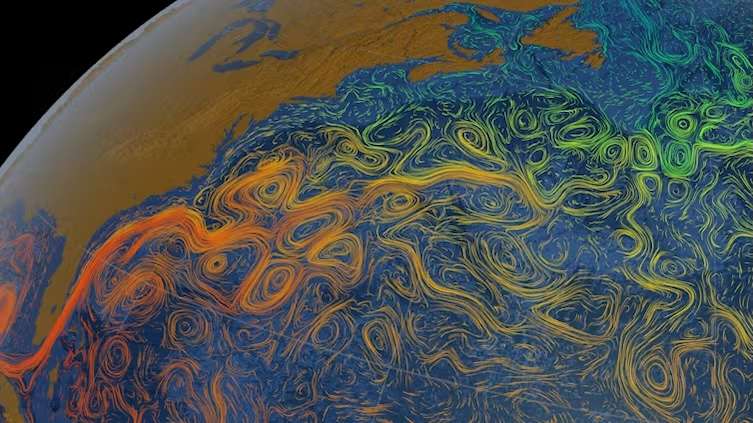
Gulf Stream Shifted North During Younger Dryas, Warns of Future Climate Risks
Estimated Reading Time: 3 minutes
Key Takeaways:
- The Gulf Stream shifted northward during the Younger Dryas period, nearly 13,000 years ago.
- Warmer Atlantic waters were found around Canada despite cooling in Greenland and the North Atlantic.
- This shift was linked to increased freshwater input from glacial melt.
- The research emphasizes the need for monitoring current climate trends to understand future impacts on Atlantic currents.
Context / Background
The Younger Dryas was a sudden cold snap that occurred approximately 12,900 to 12,800 years ago, lasting between 1,000 to 1,200 years. This period interrupted the overall warming trend following the last ice age, causing rapid cooling in Greenland and much of the North Atlantic. Research indicates that this event was closely linked to increased freshwater input, likely from glacial melt, which reduced salinity and disrupted the Atlantic Meridional Overturning Circulation (AMOC).
Key Details
The study analyzed seabed sediments off the continental slope of Nova Scotia, Canada, revealing the first direct evidence of a northward migration of the Gulf Stream during the Younger Dryas. Analysis of microfossils and geochemical tracers indicated that waters off Atlantic Canada warmed by approximately 4–5°C, despite surrounding areas cooling. This warming event is attributed to the Gulf Stream’s core path shifting northward, bringing warm subtropical water closer to the Canadian coast.
This evidence supports the hypothesis that major Atlantic currents can rapidly reorganize in response to abrupt climate changes. Researchers emphasize that this finding serves as a real-world analogue for understanding how current climate trends might influence Gulf Stream behavior in the future.
Impact
The shift in the Gulf Stream highlighted by this research has significant implications for both regional and global climate dynamics. A northward shift could lead to varying temperature patterns across the North Atlantic region, where some areas may experience warming while others cool down. The ramifications of such changes could affect weather patterns, precipitation, and ecosystems across Europe and North America.
In India, the increasing unpredictability of the monsoon and changing weather patterns could have downstream effects, given the interconnected nature of global climate systems. Changes in ocean currents like the Gulf Stream could potentially exacerbate existing climate vulnerabilities in regions like South Asia, where agriculture and water availability are sensitive to shifts in weather patterns.
What’s Next
This research emphasizes the need for ongoing monitoring of the Gulf Stream and AMOC behavior. As climate models project potential weakening of the AMOC, understanding past events like the Younger Dryas can help improve future climate projections, ensuring preparedness for impending climate risks. Given that such rapid reorganizations of Atlantic circulation are possible, immediate action in climate policy and risk management becomes crucial for mitigating adverse effects on societies and ecosystems globally.
FAQ Section
What is the Younger Dryas?
The Younger Dryas was a period of rapid cooling that occurred around 12,900 to 12,800 years ago, interrupting the warming trend that followed the last ice age.
How did the Gulf Stream shift affect climate?
The northward shift of the Gulf Stream led to warmer waters around Canada, potentially altering regional weather patterns while parts of the North Atlantic cooled.
What are the implications of this research?
The findings underscore the importance of monitoring oceanic currents in the face of climate change and suggest that similar shifts may occur in the future, impacting global climates.

Meteor Sonic Booms Can Release Energy Equivalent to Hundreds of Tons of TNT
- Meteor sonic booms can release energy comparable to hundreds of tons of TNT.
- The phenomena are caused by rapid deceleration and fragmentation as meteors enter the atmosphere.
- Historical events, like the Chelyabinsk meteor explosion, illustrate the significant effects of such energy releases.
- This knowledge is essential for refining predictive models for meteor behavior and impacts.
- Countries expanding their space programs, like India, may benefit from a greater understanding of these events.
Main Content
Context / Background
Key Details
Impact
What’s Next
FAQ Section
What are meteor sonic booms?
Why are they significant?
How are they monitored?


WhatsApp Updates with Username-Based Privacy Feature

Cursor Launches iOS App for Developers in Public Beta

Apple Creator Studio Update Brings AI Enhancements
-

 Entertainment1 year ago
Squid Game Season 3 Trailer Teases a Brutal Finale: Gi-hun Returns for One Last Game
-

 Science10 months ago
Aryabhata: India’s First Satellite That Sparked a Space Revolution
-

 AI/ML6 months ago
Adobe unveils Firefly Foundry to build IP-safe generative AI models for studios
-

 Tech1 month ago
KPMG Withdraws AI Report Over Accuracy Issues
-

 Science1 year ago
Vera C. Rubin Observatory Unveils First-Ever 3,200-Megapixel Images
-
 Business1 year ago
Apple’s India Strategy Faces New Hurdles Amid Trump’s 25% iPhone Tariff Threat
-
 AI/ML1 year ago
Google I/O 2025: AI Takes Center Stage in a Future-Forward Showcase
-

 Science1 year ago
Axiom Mission 4 Blasts Off: India’s Shubhanshu Shukla Joins Historic Journey to ISS