
Tech
KPMG Withdraws AI Report Over Accuracy Issues


KPMG Pulls AI-Generated Report After Hallucinations and Inaccuracies Discovered
Estimated Reading Time: 6 minutes
Key Takeaways
- KPMG retracted a report due to inaccuracies linked to AI-generated content.
- Out of 45 citations, only 5 were accurately referenced.
- False claims included misleading statements about companies like Emirates and UBS.
- The incident raises concerns about the reliability of AI in corporate publications.
- KPMG is reviewing its publication processes to enhance accuracy.
Main Content
Context / Background
In October 2023, KPMG, a prominent member of the “Big Four” accounting firms, released the report titled “Total Experience: Redefining Excellence in the Age of Agentic AI,” aimed at highlighting how businesses are leveraging agentic AI to enhance customer experiences and optimize operations. Given KPMG’s authoritative position, the report was expected to provide valuable insights into the use of AI in the business landscape.
Key Details
The issues surrounding the report came to light through an investigation by GPTZero, a company specializing in AI content detection tools. According to GPTZero’s findings, the KPMG report was plagued by widespread inaccuracies, including fake citations and distorted case studies. A total of 45 citations were included in the report, out of which only 5 accurately referenced real sources. Furthermore, 28 citations were associated with genuine sources but contained paraphrased titles or fabricated components. Alarmingly, 12 citations were so vaguely worded that their existence could not be verified.
Among the content described in the report, significant false claims were identified. For instance, KPMG asserted that Emirates had launched a mobile AI chatbot named “Sara” capable of altering passenger flight bookings. In reality, “Sara” merely serves as a mobile assistant without the ability to change bookings. Similarly, the report claimed that Swiss bank UBS utilized “agentic AI” across various operations, which UBS later dismissed as “factually incorrect.” Another misrepresentation involved Swiss Federal Railways (SBB), where KPMG inaccurately described its use of AI agents for optimizing trips, and an SBB spokesperson confirmed that such claims were not accurate.
GPTZero’s analysis categorized this phenomenon as “vibe citing,” where AI generates references that may sound plausible but are not factual. Edward Tian, CEO of GPTZero, emphasized the risk involved; misinformation from authoritative sources can mislead AI systems and researchers, leading to a broader crisis in the quality of information consumed by the public.
Impact
The implications of this incident are manifold. For KPMG, the incident poses a significant challenge to its credibility and authority in thought leadership within the professional services sector. As this report was structured to influence corporate strategies regarding AI integration, its failure could lead to skepticism among businesses relying on KPMG’s insights for their operational frameworks.
Beyond KPMG, this case raises concerns about the integrity of AI-generated content in corporate settings. It underscores the necessity for rigorous human oversight in AI-generated publications, particularly as companies increasingly integrate AI into research and content creation workflows. This incident resonates with the Indian market, where businesses are rapidly adopting AI technologies, emphasizing the need for accuracy and reliability in available resources.
What’s Next
In response to the exposed flaws, KPMG has retracted the report and is currently reviewing the processes behind its publication to ensure higher accuracy in future outputs. As firms embrace AI more fully, the need for stringent validation of AI-assisted content will become paramount. This incident serves as a cautionary tale for organizations and regulators alike on the importance of maintaining rigorous standards when utilizing AI technologies in research and reporting. As the landscape continues to evolve, both the challenges and potential of AI in professional contexts will require careful navigation and responsibility.
FAQ Section
What happened with the KPMG report?
KPMG withdrew its report titled “Total Experience” after discovering that it contained numerous inaccuracies and misleading information due to its reliance on AI-generated content.
What are the main issues with the report?
The report contained fake citations, distorted case studies, and significant false claims about companies like Emirates and UBS.
What is “vibe citing”?
“Vibe citing” refers to the generation of references by AI that sound plausible but are not factually accurate.
What is KPMG doing next?
KPMG is reviewing its publication processes to ensure greater accuracy in future reports and to prevent similar incidents from occurring.
Tech
WhatsApp Updates with Username-Based Privacy Feature
WhatsApp Updates with Username-Based Privacy Feature

WhatsApp Introduces Username-Based Identity System for Enhanced Privacy
Estimated Reading Time: 3 minutes
- WhatsApp introduces a username-based identity system to enhance user privacy.
- Users can now select unique usernames instead of using phone numbers for contact.
- This change aims to mitigate risks related to spam and unwanted communications.
- The feature enhances anonymity in group chats and professional engagements.
- Gradual rollout of the feature will begin in the coming months with user notifications.
What is changing in WhatsApp?
WhatsApp is making a significant shift by allowing users to choose a unique username instead of relying solely on their phone numbers for contact. While the phone number will still be used for account registration and verification, it will no longer serve as the primary public identifier when connecting with new contacts or businesses. This transition is part of WhatsApp’s efforts to close a “privacy blind spot” associated with how it manages identity and contact discovery (source).
In essence, users can now create a public face for their WhatsApp account while keeping their phone numbers private, significantly enhancing security and reducing the risk of unwanted communications (source).
Main privacy and security benefits
The introduction of usernames brings multiple significant benefits, marking one of WhatsApp’s most substantial privacy enhancements since its inception:
- Phone Number Protection: When messaging someone for the first time, they will see the user’s username instead of the phone number, mitigating risks associated with spam and harassment (source).
- Safer Group Interactions: In group chats where users don’t have each other’s numbers saved, usernames will provide anonymity, crucial for interactions in open communities or events (source).
- Professional Engagements: This feature will facilitate safer networking opportunities in professional contexts, allowing users to share their usernames without disclosing their personal phone numbers (source).
- Reduced Business Exposure: Businesses will also benefit by adopting usernames, enabling customers to contact them without revealing their personal phone numbers, thus enhancing security against scams (source).
Overall, the shift to a username system aligns WhatsApp with the privacy strategies already utilized by platforms like Telegram and Signal (source).
How usernames work
WhatsApp has begun accepting reservations for usernames globally, allowing users to set their unique handles via the app’s settings. Users need to navigate to Settings → Account → Username to reserve and confirm their usernames. Length rules dictate that usernames must be between 3 to 30 characters, include at least one letter, and should not start with “www.” or end with common domain extensions (source).
When the feature is enabled, users can chat and be searched using their usernames. Existing contacts will still see the traditional labels associated with those numbers, ensuring ease of use while enhancing privacy for new or unknown contacts (source).
What’s Next
Users can expect the username feature to be rolled out gradually in the coming months, with in-app notifications indicating when the new privacy setting becomes available in their region (source). As Meta positions usernames as a primary discovery mechanism, users who opt to enable this function will likely enjoy enhanced privacy benefits and increased control over their interactions on the platform.
In conclusion, WhatsApp’s shift to a username-based identity system is anticipated to significantly improve user privacy, making it a pivotal enhancement in the way the platform facilitates communication while safeguarding personal information.
FAQ Section
What are the privacy benefits of WhatsApp usernames?
WhatsApp usernames allow users to maintain privacy by not needing to share their phone numbers, thus protecting against spam and unwanted contact.
How do I reserve my WhatsApp username?
Users can reserve their usernames by navigating to Settings → Account → Username in the app.
When will usernames be available on WhatsApp?
The username feature will roll out gradually over the coming months, with in-app notifications for availability based on region.
Tech
Cursor Launches iOS App for Developers in Public Beta
Cursor Launches iOS App for Developers in Public Beta

Cursor Launches Native iOS App for Developers in Public Beta
Estimated Reading Time: 4 minutes
Key Takeaways
- Cursor’s new iOS app is now available in public beta, enhancing developers’ coding workflows on the go.
- Key features include always-on cloud agents, remote control of local agents, and a promotional discount on Composer 2.5 runs.
- The app supports all paid plans and offers unprecedented flexibility for addressing coding tasks remotely.
- This release reflects the trend towards mobile-centric development solutions in the tech industry.
- Cursor plans to improve the app based on user feedback during the beta phase.
Main Content
Context / Background
Cursor, a platform designed to help developers build software with AI-enhanced tools, aims to improve productivity by providing a mobile solution that extends its desktop capabilities. The launch of the iOS app aligns with the growing trend of remote and on-the-go work, catering to developers who need flexibility in their coding routines.
Key Details
The iOS app is accessible across all paid Cursor plans during its public beta phase. Users can leverage its functionality to build software from diverse locations—whether they are commuting, away from their laptops, or responding to urgent tasks while on call. Key features of the app include:
- Always-on Cloud Agents: Developers can start agents from their mobile devices, just as they would on a desktop, using a repository of their choice. The cloud agents can run isolated virtual machines, providing a complete development environment for testing, verifying, and demoing work (source: Cursor Blog).
- Remote Control of Local Agents: The app also facilitates the control of agents running on personal computers. Developers can begin a plan on their laptop and transition the session to a cloud agent when away from their desk. This seamless transfer allows ongoing work without interruption (source: Cursor Changelog).
- Promotion of Composer 2.5 Runs: To incentivize the use of the mobile app, Cursor is offering a temporary discount of 75% on Composer 2.5 runs triggered through the app, valid until July 5, 2026 (source: Cursor Blog).
The public beta release is noted as part of Cursor’s continued evolution, building upon software engineering practices that facilitate increased productivity even outside traditional office environments.
Impact
This new iOS app could significantly affect developers who are frequently away from their workstations, as it offers unprecedented control and flexibility. Immediate benefits include the ability to address coding issues or development needs in real-time, even while commuting or attending meetings. Users can also make use of voice commands to interact with their coding agents, which could streamline workflows for those who prefer hands-free operation (source: Cursor Forum).
With the increasing number of mobile developers in regions such as India, this app also plays a vital role in supporting the local tech ecosystem. The flexibility it introduces could enhance productivity and contribute to a growing demand for developer tools that accommodate varying work environments.
What’s Next
Cursor’s introduction of the iOS app reflects a shift toward more mobile-centric development solutions. As features continue to evolve with user feedback during this public beta phase, the app is poised to further encourage remote workflows. Looking ahead, Cursor aims to expand functionality and enhance integration with existing tools, reinforcing its commitment to providing versatile, AI-driven software development solutions for a global audience.
FAQ Section
What is the purpose of the Cursor iOS app?
The Cursor iOS app allows developers to enhance their coding workflows by providing functionalities such as launching cloud agents, controlling local agents, and managing code remotely from their iPhones.
Which plans are eligible for the public beta?
The iOS app is accessible across all paid Cursor plans during its public beta phase.
Is there a promotion for using the app?
Yes, Cursor is offering a temporary discount of 75% on Composer 2.5 runs triggered through the app, valid until July 5, 2026.
How does the app benefit developers?
The app provides flexibility for developers by allowing them to address coding tasks in real-time from various locations, enhancing productivity and supporting a mobile-centric work environment.
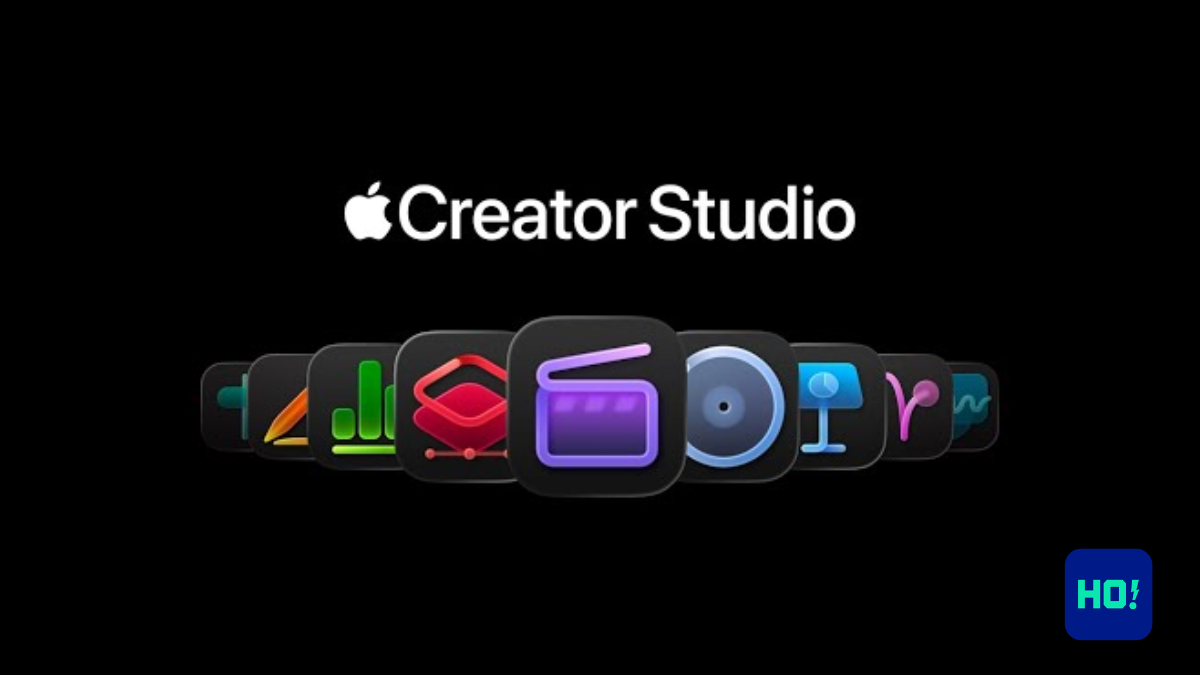
Apple Creator Studio Update Introduces Major AI Enhancements Across Suite
- Apple’s Creator Studio update brings advanced AI features for multimedia applications.
- Features include automated caption generation in Final Cut Pro and AI-powered image generation in Pixelmator Pro.
- Current subscribers receive these updates at no extra cost; new users can subscribe for $12.99/month or $129/year.
- The update reflects trends in creative software toward integrating AI tools.
- Future enhancements are expected as Apple continues to refine its AI capabilities.
Context / Background
Key Details
Scope of the Update
- Final Cut Pro: Receives features like Generate Captions, which automatically transcribes audio into editable subtitles, and Edit Detection, helping editors to isolate cuts more efficiently. Additionally, the new Auto Mask tool streamlines the process of editing specific video elements.
- Logic Pro: Includes improvements in Chord ID, enhancing chord detection for composers, and a new granular sync mode in Alchemy, improving sound design capabilities.
- Pixelmator Pro: Offers AI-powered image generation and shape production, allowing users to create assets using natural language prompts. This app acts as a central hub for visual content, connected seamlessly across the suite.
- iWork Apps: Now include AI features like Image and Shape Generation, as well as tools designed to improve productivity in presentation creation (e.g., Generate Presentation and Slide Clean Up functions).
Impact
- Users: Creative professionals, students, and businesses will benefit from faster, more intuitive editing tools and design capabilities. These improvements are tailored to help streamline workflows for video editing, music production, and productivity tasks.
- Companies: By emphasizing on-device AI, Apple not only enhances user experience but also reinforces its stance on privacy and security, which may appeal to privacy-conscious consumers. The shift towards AI could potentially attract new subscribers looking for innovative tools.
- Market Trends: The update signals a broader industry movement toward integrating intelligent features within creative software, indicating that competition may drive further advancements within the sector.
What’s Next
FAQ Section
What AI features are included in the Creator Studio update?
How much does the update cost for new subscribers?
Are these features beneficial for educational institutions?



-

 Entertainment1 year ago
Squid Game Season 3 Trailer Teases a Brutal Finale: Gi-hun Returns for One Last Game
-

 Science12 months ago
Aryabhata: India’s First Satellite That Sparked a Space Revolution
-

 AI/ML8 months ago
Adobe unveils Firefly Foundry to build IP-safe generative AI models for studios
-

 Science1 year ago
Vera C. Rubin Observatory Unveils First-Ever 3,200-Megapixel Images
-
 Business1 year ago
Apple’s India Strategy Faces New Hurdles Amid Trump’s 25% iPhone Tariff Threat
-
 AI/ML1 year ago
Google I/O 2025: AI Takes Center Stage in a Future-Forward Showcase
-

 Science1 year ago
Axiom Mission 4 Blasts Off: India’s Shubhanshu Shukla Joins Historic Journey to ISS
-

 Uncategorized1 year ago
Prada’s ‘Kolhapuri Chappals’ Stir Controversy, Sparks Global Artisanship Debate