
Cloud Computing
Google Researchers Explore Repurposing Retired Smartphones

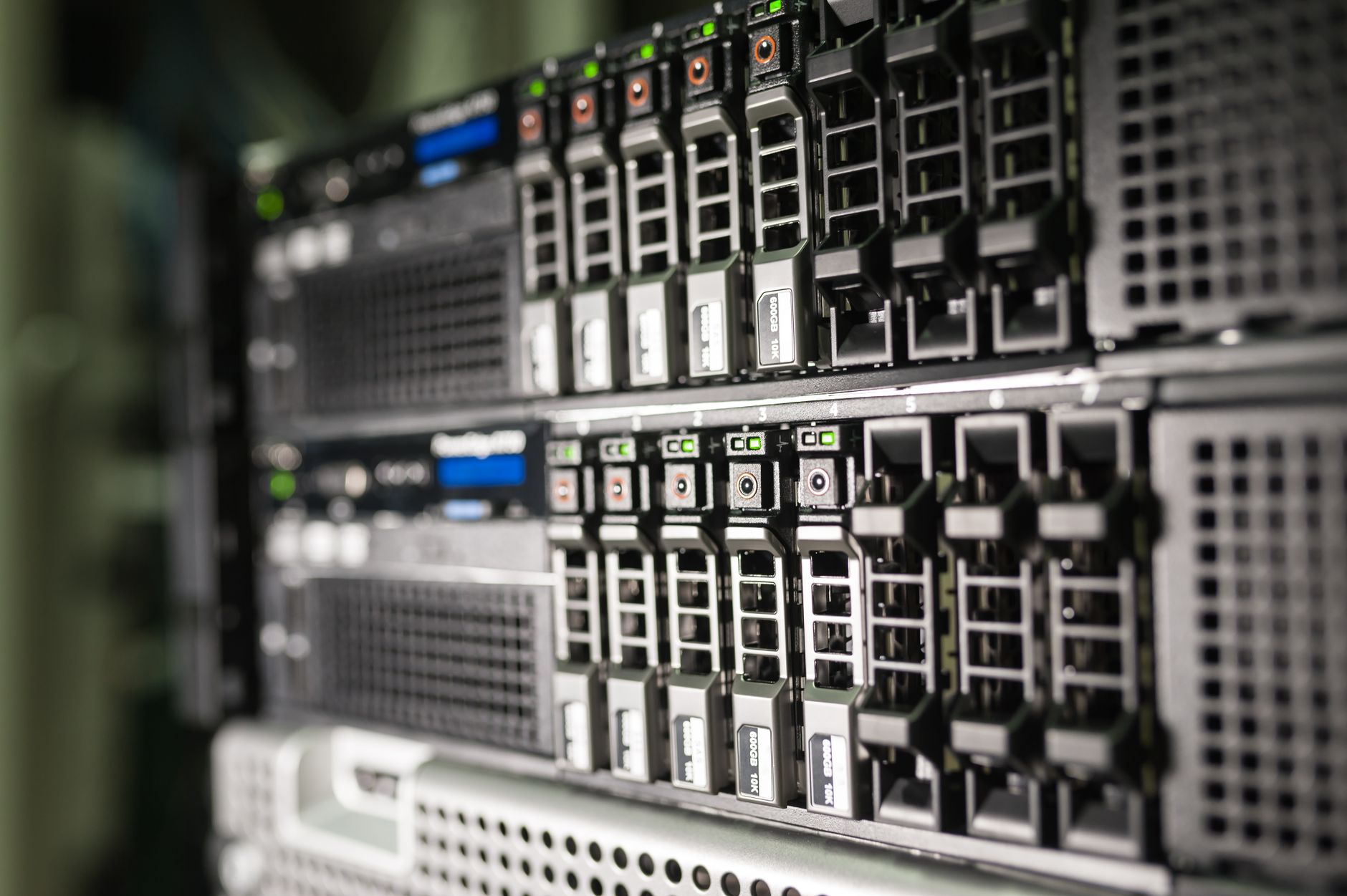
Google-Backed Researchers Explore Transforming Retired Smartphones into Low-Cost Computing Clusters
Estimated Reading Time: 5 minutes
Key Takeaways
- Researchers aim to repurpose retired smartphones into energy-efficient computing clusters.
- The initiative could lower costs and enhance sustainability in data processing.
- Focusing on existing hardware addresses both e-waste and technological access challenges.
- Potential applications are particularly relevant for educational institutions and developing markets.
Main Content
Context / Background
The project focuses on transforming retired smartphones into a distributed computing network, serving as small-scale data centres. Previously abandoned devices might have been discarded or recycled, but the researchers propose leveraging them for educational and research purposes, maximizing their remaining functionality.
Key Details
The initiative involves dismantling around 2,000 abandoned smartphones, specifically removing their motherboards and connecting the devices to form a cohesive network. Although the objective is not to compete with established cloud providers like Google, Microsoft, and Amazon, the project aims to provide a more economical and sustainable alternative for less demanding tasks that do not require the performance of high-end servers.
By focusing on repurposing existing hardware, the researchers aim to tackle several pressing issues:
- Cost Reduction: Utilizing old smartphones drastically lowers expenses compared to investing in new server infrastructure.
- Energy Efficiency: Smartphones are designed for power efficiency, thus reducing operational costs for light workloads.
- Environmental Benefits: Repurposing these devices helps in reducing waste and addressing electronic garbage, a growing global concern.
This project is part of a broader vision that expects future data centres to integrate not only purpose-built servers but also repurposed consumer devices, enhancing sustainability within the tech industry.
Impact
The effects of this project are extensive. Technology sector users may find solutions developed from this initiative to support various tasks at reduced costs. Educational institutions stand to gain significantly from a more accessible computing resource, fostering research partnerships and development opportunities.
Additionally, considering India’s expanding digital landscape and rising smartphone usage, this research bears particular significance. Many smartphones in India have life expectancies surpassing their original ownership. Applying this model in India could address both technological access and e-waste issues.
Despite the promising nature of this research, several challenges remain. Managing a network of thousands of devices presents considerable technical obstacles. Moreover, smartphones are not built for uninterrupted operation like traditional servers, making the adaptation process a critical consideration for the project.
What’s Next
As this project advances, overcoming the technical difficulties of managing numerous devices and adapting smartphones for continual operation will be key. If successful, this research could lead to a new paradigm in data centre design, blending repurposed consumer technology with contemporary computing demands. The initiative not only addresses economic and environmental concerns but also paves the way for innovative educational applications within the tech sector.
FAQ Section
What is the goal of the project?
The goal is to repurpose retired smartphones into low-cost, energy-efficient computing clusters that can function as small-scale data centres.
How will this impact educational institutions?
Educational institutions can benefit from affordable computing resources, enabling enhanced research capabilities and collaborative projects.
What are the environmental benefits?
Repurposing smartphones contributes to waste reduction and addresses the growing concern of electronic waste.
What challenges does the project face?
The project faces technical challenges managing a network of thousands of devices and adapting smartphones for uninterrupted operation.










-

 Entertainment1 year ago
Squid Game Season 3 Trailer Teases a Brutal Finale: Gi-hun Returns for One Last Game
-

 Science12 months ago
Aryabhata: India’s First Satellite That Sparked a Space Revolution
-

 AI/ML8 months ago
Adobe unveils Firefly Foundry to build IP-safe generative AI models for studios
-

 Science1 year ago
Vera C. Rubin Observatory Unveils First-Ever 3,200-Megapixel Images
-

 Tech3 months ago
KPMG Withdraws AI Report Over Accuracy Issues
-
 Business1 year ago
Apple’s India Strategy Faces New Hurdles Amid Trump’s 25% iPhone Tariff Threat
-
 AI/ML1 year ago
Google I/O 2025: AI Takes Center Stage in a Future-Forward Showcase
-

 Science1 year ago
Axiom Mission 4 Blasts Off: India’s Shubhanshu Shukla Joins Historic Journey to ISS