
Tech
Apple Introduces Child Safety Features in iOS 27


Apple Unveils New Suite of Child Safety and Parental Control Features for iOS 27
Estimated Reading Time: 3 minutes
Key Takeaways:
- Apple introduces new child safety and parental control features with iOS 27.
- Key updates include the Child Accounts system and Ask to Browse feature.
- Enhanced Communication Safety for users under 18 with automatic content detection.
- Screen time management improvements aim to foster healthier digital habits.
- Features set to launch in Fall 2026 across multiple Apple platforms.
Main Content
Apple’s recent announcement on June 8, 2026, introduces a new suite of child safety and parental control features designed to enhance parental oversight and foster safer digital environments for children. Set to launch with iOS 27, iPadOS 27, and macOS 27 this fall, these features aim to empower parents in managing their children’s online activities more effectively.
Context / Background
In an era where children are increasingly exposed to digital content, Apple positions these new controls as vital for creating a “safe and trusted platform” for younger users. The measures come as a continuation of Apple’s existing parental controls, offering powerful yet intuitive tools meant to provide enriching digital experiences tailored for kids (source).
Key Details
New Features Overview
Child Accounts & Setup
A central element of this update is the Child Accounts feature, which is part of the Family Sharing setup. These accounts are required for children under 13, with options available for users up to 18. During the initial device setup, parents can pre-select which apps their child can access and approve all new app downloads and in-app purchases through the Ask to Buy function (source).
Web and Communication Safety Tools
Apple has introduced Ask to Browse, a feature that requires parental approval when a child attempts to visit a website for the first time on Safari. This capability allows parents to maintain oversight of their children’s internet browsing while still permitting some flexibility in accessing new sites (source).
In terms of communication, parents will now have greater control over who their children can interact with via Messages and FaceTime. Additionally, the updated Communication Safety feature, which automatically detects and blurs potentially harmful content—such as nudity or graphic violence—will now be enabled by default for users under 18 (source).
Screen Time Management Enhancements
The new features also focus on screen time management, introducing Time Allowances for different app categories and Daily Schedules that let parents manage app accessibility according to the time of day. A redesigned Screen Time dashboard provides an overview of children’s app usage, enabling dynamic adjustment of routines based on individual patterns (source).
Additional Support Tools
To bolster its safety offerings, Apple is implementing Screen Time Passcode Notifications to alert parents of any attempts to circumvent these controls. Furthermore, an expansion of User Reporting Tools allows children to report harmful content directly to Apple (source).
Impact
The release of these enhanced safety features is significant for parents navigating the complexities of their children’s digital interactions. With tighter controls on content, communication, and screen time, families can foster healthier online habits. In India, where digital consumption among children is rapidly increasing, these tools could be particularly beneficial for parents seeking to manage their children’s screen time and exposure to inappropriate content (source).
What’s Next
Apple plans to deliver these features with the upcoming software updates this fall. The company continues to stress the importance of simplicity and ease of use, positioning its tools as user-friendly alternatives to traditional parental control suites. As these features roll out globally, they hold the potential to influence how families engage with technology while ensuring a safer digital experience for children. The ongoing updates and improvements reflect Apple’s response to the evolving needs of parents concerned about their children’s safety in the digital landscape.
FAQ Section
What are Child Accounts?
Child Accounts are specially designed accounts for users under the age of 13 that allow parents to set restrictions on app access and approve purchases.
How does the Ask to Browse feature work?
Ask to Browse requires parental approval each time a child attempts to visit a new website for the first time using Safari.
What is Communication Safety?
Communication Safety automatically detects and blurs potentially harmful content in messages or video calls, ensuring safety for users under 18.
How can parents manage screen time?
Parents can manage screen time using tools like Time Allowances, Daily Schedules, and a redesigned Screen Time dashboard that provides insights on app usage.
What are User Reporting Tools?
User Reporting Tools allow children to report harmful content directly to Apple, promoting a safer online environment.
Tech
WhatsApp Updates with Username-Based Privacy Feature
WhatsApp Updates with Username-Based Privacy Feature

WhatsApp Introduces Username-Based Identity System for Enhanced Privacy
Estimated Reading Time: 3 minutes
- WhatsApp introduces a username-based identity system to enhance user privacy.
- Users can now select unique usernames instead of using phone numbers for contact.
- This change aims to mitigate risks related to spam and unwanted communications.
- The feature enhances anonymity in group chats and professional engagements.
- Gradual rollout of the feature will begin in the coming months with user notifications.
What is changing in WhatsApp?
WhatsApp is making a significant shift by allowing users to choose a unique username instead of relying solely on their phone numbers for contact. While the phone number will still be used for account registration and verification, it will no longer serve as the primary public identifier when connecting with new contacts or businesses. This transition is part of WhatsApp’s efforts to close a “privacy blind spot” associated with how it manages identity and contact discovery (source).
In essence, users can now create a public face for their WhatsApp account while keeping their phone numbers private, significantly enhancing security and reducing the risk of unwanted communications (source).
Main privacy and security benefits
The introduction of usernames brings multiple significant benefits, marking one of WhatsApp’s most substantial privacy enhancements since its inception:
- Phone Number Protection: When messaging someone for the first time, they will see the user’s username instead of the phone number, mitigating risks associated with spam and harassment (source).
- Safer Group Interactions: In group chats where users don’t have each other’s numbers saved, usernames will provide anonymity, crucial for interactions in open communities or events (source).
- Professional Engagements: This feature will facilitate safer networking opportunities in professional contexts, allowing users to share their usernames without disclosing their personal phone numbers (source).
- Reduced Business Exposure: Businesses will also benefit by adopting usernames, enabling customers to contact them without revealing their personal phone numbers, thus enhancing security against scams (source).
Overall, the shift to a username system aligns WhatsApp with the privacy strategies already utilized by platforms like Telegram and Signal (source).
How usernames work
WhatsApp has begun accepting reservations for usernames globally, allowing users to set their unique handles via the app’s settings. Users need to navigate to Settings → Account → Username to reserve and confirm their usernames. Length rules dictate that usernames must be between 3 to 30 characters, include at least one letter, and should not start with “www.” or end with common domain extensions (source).
When the feature is enabled, users can chat and be searched using their usernames. Existing contacts will still see the traditional labels associated with those numbers, ensuring ease of use while enhancing privacy for new or unknown contacts (source).
What’s Next
Users can expect the username feature to be rolled out gradually in the coming months, with in-app notifications indicating when the new privacy setting becomes available in their region (source). As Meta positions usernames as a primary discovery mechanism, users who opt to enable this function will likely enjoy enhanced privacy benefits and increased control over their interactions on the platform.
In conclusion, WhatsApp’s shift to a username-based identity system is anticipated to significantly improve user privacy, making it a pivotal enhancement in the way the platform facilitates communication while safeguarding personal information.
FAQ Section
What are the privacy benefits of WhatsApp usernames?
WhatsApp usernames allow users to maintain privacy by not needing to share their phone numbers, thus protecting against spam and unwanted contact.
How do I reserve my WhatsApp username?
Users can reserve their usernames by navigating to Settings → Account → Username in the app.
When will usernames be available on WhatsApp?
The username feature will roll out gradually over the coming months, with in-app notifications for availability based on region.
Tech
Cursor Launches iOS App for Developers in Public Beta
Cursor Launches iOS App for Developers in Public Beta

Cursor Launches Native iOS App for Developers in Public Beta
Estimated Reading Time: 4 minutes
Key Takeaways
- Cursor’s new iOS app is now available in public beta, enhancing developers’ coding workflows on the go.
- Key features include always-on cloud agents, remote control of local agents, and a promotional discount on Composer 2.5 runs.
- The app supports all paid plans and offers unprecedented flexibility for addressing coding tasks remotely.
- This release reflects the trend towards mobile-centric development solutions in the tech industry.
- Cursor plans to improve the app based on user feedback during the beta phase.
Main Content
Context / Background
Cursor, a platform designed to help developers build software with AI-enhanced tools, aims to improve productivity by providing a mobile solution that extends its desktop capabilities. The launch of the iOS app aligns with the growing trend of remote and on-the-go work, catering to developers who need flexibility in their coding routines.
Key Details
The iOS app is accessible across all paid Cursor plans during its public beta phase. Users can leverage its functionality to build software from diverse locations—whether they are commuting, away from their laptops, or responding to urgent tasks while on call. Key features of the app include:
- Always-on Cloud Agents: Developers can start agents from their mobile devices, just as they would on a desktop, using a repository of their choice. The cloud agents can run isolated virtual machines, providing a complete development environment for testing, verifying, and demoing work (source: Cursor Blog).
- Remote Control of Local Agents: The app also facilitates the control of agents running on personal computers. Developers can begin a plan on their laptop and transition the session to a cloud agent when away from their desk. This seamless transfer allows ongoing work without interruption (source: Cursor Changelog).
- Promotion of Composer 2.5 Runs: To incentivize the use of the mobile app, Cursor is offering a temporary discount of 75% on Composer 2.5 runs triggered through the app, valid until July 5, 2026 (source: Cursor Blog).
The public beta release is noted as part of Cursor’s continued evolution, building upon software engineering practices that facilitate increased productivity even outside traditional office environments.
Impact
This new iOS app could significantly affect developers who are frequently away from their workstations, as it offers unprecedented control and flexibility. Immediate benefits include the ability to address coding issues or development needs in real-time, even while commuting or attending meetings. Users can also make use of voice commands to interact with their coding agents, which could streamline workflows for those who prefer hands-free operation (source: Cursor Forum).
With the increasing number of mobile developers in regions such as India, this app also plays a vital role in supporting the local tech ecosystem. The flexibility it introduces could enhance productivity and contribute to a growing demand for developer tools that accommodate varying work environments.
What’s Next
Cursor’s introduction of the iOS app reflects a shift toward more mobile-centric development solutions. As features continue to evolve with user feedback during this public beta phase, the app is poised to further encourage remote workflows. Looking ahead, Cursor aims to expand functionality and enhance integration with existing tools, reinforcing its commitment to providing versatile, AI-driven software development solutions for a global audience.
FAQ Section
What is the purpose of the Cursor iOS app?
The Cursor iOS app allows developers to enhance their coding workflows by providing functionalities such as launching cloud agents, controlling local agents, and managing code remotely from their iPhones.
Which plans are eligible for the public beta?
The iOS app is accessible across all paid Cursor plans during its public beta phase.
Is there a promotion for using the app?
Yes, Cursor is offering a temporary discount of 75% on Composer 2.5 runs triggered through the app, valid until July 5, 2026.
How does the app benefit developers?
The app provides flexibility for developers by allowing them to address coding tasks in real-time from various locations, enhancing productivity and supporting a mobile-centric work environment.
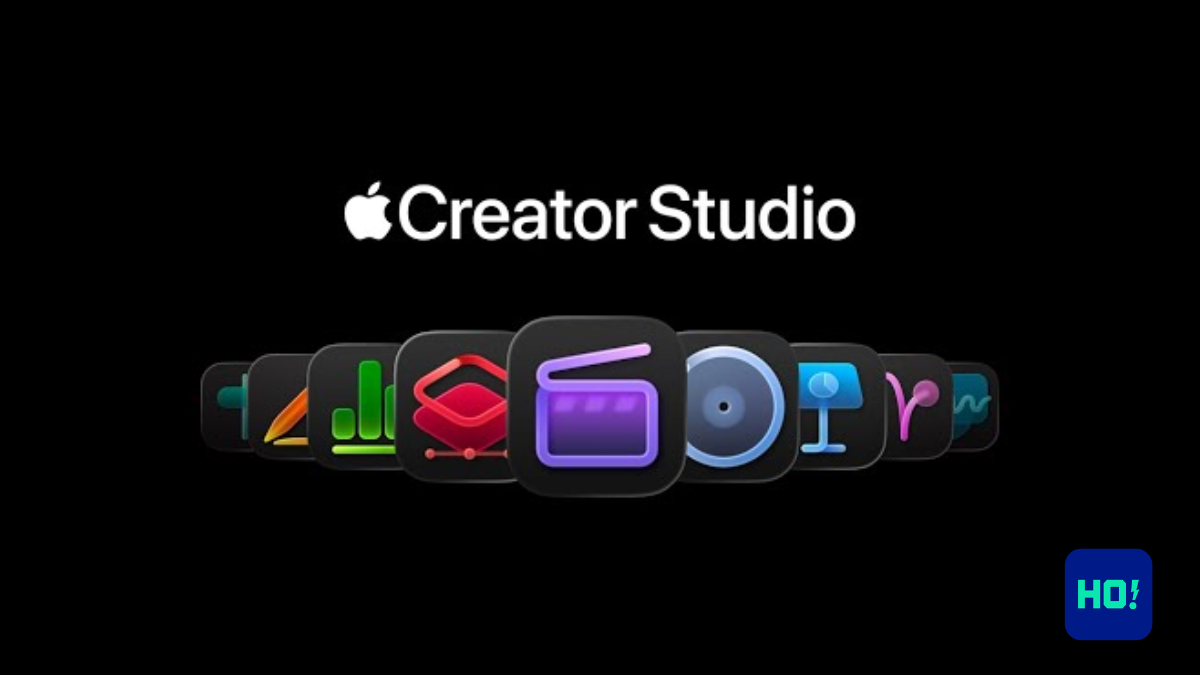
Apple Creator Studio Update Introduces Major AI Enhancements Across Suite
- Apple’s Creator Studio update brings advanced AI features for multimedia applications.
- Features include automated caption generation in Final Cut Pro and AI-powered image generation in Pixelmator Pro.
- Current subscribers receive these updates at no extra cost; new users can subscribe for $12.99/month or $129/year.
- The update reflects trends in creative software toward integrating AI tools.
- Future enhancements are expected as Apple continues to refine its AI capabilities.
Context / Background
Key Details
Scope of the Update
- Final Cut Pro: Receives features like Generate Captions, which automatically transcribes audio into editable subtitles, and Edit Detection, helping editors to isolate cuts more efficiently. Additionally, the new Auto Mask tool streamlines the process of editing specific video elements.
- Logic Pro: Includes improvements in Chord ID, enhancing chord detection for composers, and a new granular sync mode in Alchemy, improving sound design capabilities.
- Pixelmator Pro: Offers AI-powered image generation and shape production, allowing users to create assets using natural language prompts. This app acts as a central hub for visual content, connected seamlessly across the suite.
- iWork Apps: Now include AI features like Image and Shape Generation, as well as tools designed to improve productivity in presentation creation (e.g., Generate Presentation and Slide Clean Up functions).
Impact
- Users: Creative professionals, students, and businesses will benefit from faster, more intuitive editing tools and design capabilities. These improvements are tailored to help streamline workflows for video editing, music production, and productivity tasks.
- Companies: By emphasizing on-device AI, Apple not only enhances user experience but also reinforces its stance on privacy and security, which may appeal to privacy-conscious consumers. The shift towards AI could potentially attract new subscribers looking for innovative tools.
- Market Trends: The update signals a broader industry movement toward integrating intelligent features within creative software, indicating that competition may drive further advancements within the sector.
What’s Next
FAQ Section
What AI features are included in the Creator Studio update?
How much does the update cost for new subscribers?
Are these features beneficial for educational institutions?



-

 Entertainment1 year ago
Squid Game Season 3 Trailer Teases a Brutal Finale: Gi-hun Returns for One Last Game
-

 Science11 months ago
Aryabhata: India’s First Satellite That Sparked a Space Revolution
-

 AI/ML8 months ago
Adobe unveils Firefly Foundry to build IP-safe generative AI models for studios
-

 Science1 year ago
Vera C. Rubin Observatory Unveils First-Ever 3,200-Megapixel Images
-

 Tech3 months ago
KPMG Withdraws AI Report Over Accuracy Issues
-
 Business1 year ago
Apple’s India Strategy Faces New Hurdles Amid Trump’s 25% iPhone Tariff Threat
-
 AI/ML1 year ago
Google I/O 2025: AI Takes Center Stage in a Future-Forward Showcase
-

 Science1 year ago
Axiom Mission 4 Blasts Off: India’s Shubhanshu Shukla Joins Historic Journey to ISS