
Uncategorized
Signings, trades shift balance of power across the NHL
Temporibus autem quibusdam et aut officiis debitis aut rerum necessitatibus saepe eveniet ut et voluptates.

Quis autem vel eum iure reprehenderit qui in ea voluptate velit esse quam nihil molestiae consequatur, vel illum qui dolorem eum fugiat quo voluptas nulla pariatur.
Temporibus autem quibusdam et aut officiis debitis aut rerum necessitatibus saepe eveniet ut et voluptates repudiandae sint et molestiae non recusandae. Itaque earum rerum hic tenetur a sapiente delectus, ut aut reiciendis voluptatibus maiores alias consequatur aut perferendis doloribus asperiores repellat.
Lorem ipsum dolor sit amet, consectetur adipisicing elit, sed do eiusmod tempor incididunt ut labore et dolore magna aliqua. Ut enim ad minim veniam, quis nostrud exercitation ullamco laboris nisi ut aliquip ex ea commodo consequat.
“Duis aute irure dolor in reprehenderit in voluptate velit esse cillum dolore eu fugiat”
Nemo enim ipsam voluptatem quia voluptas sit aspernatur aut odit aut fugit, sed quia consequuntur magni dolores eos qui ratione voluptatem sequi nesciunt.
Et harum quidem rerum facilis est et expedita distinctio. Nam libero tempore, cum soluta nobis est eligendi optio cumque nihil impedit quo minus id quod maxime placeat facere possimus, omnis voluptas assumenda est, omnis dolor repellendus.
Nulla pariatur. Excepteur sint occaecat cupidatat non proident, sunt in culpa qui officia deserunt mollit anim id est laborum.
Sed ut perspiciatis unde omnis iste natus error sit voluptatem accusantium doloremque laudantium, totam rem aperiam, eaque ipsa quae ab illo inventore veritatis et quasi architecto beatae vitae dicta sunt explicabo.
Neque porro quisquam est, qui dolorem ipsum quia dolor sit amet, consectetur, adipisci velit, sed quia non numquam eius modi tempora incidunt ut labore et dolore magnam aliquam quaerat voluptatem. Ut enim ad minima veniam, quis nostrum exercitationem ullam corporis suscipit laboriosam, nisi ut aliquid ex ea commodi consequatur.
At vero eos et accusamus et iusto odio dignissimos ducimus qui blanditiis praesentium voluptatum deleniti atque corrupti quos dolores et quas molestias excepturi sint occaecati cupiditate non provident, similique sunt in culpa qui officia deserunt mollitia animi, id est laborum et dolorum fuga.

Estimated Reading Time: 4 minutes
- Large Batteries: Turbo 6X Pro features an 8,000mAh battery, while Turbo 6X has a 7,000mAh.
- Advanced Chipsets: Both models are powered by MediaTek Dimensity chipsets.
- Camera Features: Pro version includes a superior dual-camera setup.
- Aggressive Pricing: Starting from CNY 1,899 (approx. $280).
- Global Launch Anticipated: Devices expected to rebrand as OnePlus Nord for international markets.
Context / Background
The introduction of the Turbo 6X series is noteworthy as it highlights OnePlus’ strategy to appeal to mid-range consumers, a segment that is increasingly competitive. Currently exclusive to China, these devices boast significant battery advancements, positioning them as strong contenders in a market where battery life is becoming a key selling point.
Key Details
Battery and Charging
The Turbo 6X Pro is equipped with an 8,000mAh Silicon-carbon (Si-C) battery, providing substantial energy for prolonged use. Meanwhile, the Turbo 6X comes with a 7,000mAh battery, which is notably larger than the average capacity seen in many mid-range smartphones, typically around 5,000mAh. Both devices support fast charging, with the Pro model featuring 80W SuperVOOC charging capabilities and allowing up to 55W with third-party chargers, while the standard model supports 45W SuperVOOC charging (source).
Display and Performance
The Turbo 6X Pro features a 6.78-inch M14 AMOLED display with a resolution of 1.5K (1,272 × 2,772 pixels) and a refresh rate of 144Hz, which offers a smooth visual experience. In contrast, the Turbo 6X sports a slightly smaller 6.72-inch LCD screen with a Full HD+ resolution. Both models come with up to 12GB RAM and 256GB storage configurations, but the Pro variant is powered by the more advanced MediaTek Dimensity 7400 Super, while the standard model uses the Dimensity 7360 Super chipset (source).
Camera Setup
Camera capabilities differ notably between the two models. The Turbo 6X Pro features a dual-camera setup with a 50MP main sensor and an 8MP ultrawide lens, whereas the Turbo 6X has a 50MP main camera paired with a 2MP monochrome sensor, which limits its versatility compared to the Pro version. Both phones come with a 16MP front camera for selfies, though the standard model’s selfie camera is lower at 8MP (source).
Pricing and Availability
In terms of pricing, the Turbo 6X starts from CNY 1,899 (approximately $280) for the base model with 8GB RAM and 128GB storage. The Turbo 6X Pro begins at CNY 1,999 (around $295) for the same RAM and storage configuration. The devices will be available through the official Oppo online store in China, with shipments starting from June 15 (source).
Impact
The launch of the OnePlus Turbo 6X series is significant as it underscores the growing demand for high-capacity smartphones in the mid-range segment, particularly in the Chinese market. Users in this category are likely to benefit from the extensive battery life and powerful performance afforded by these new models. As the phones are expected to launch globally under the Nord branding, audiences in markets like India may see enhanced options suited to their preferences for long-lasting battery technology at aggressive pricing.
What’s Next
As these devices are currently China-exclusive, OnePlus is anticipated to reveal global launch plans, likely rebranding them as part of the Nord series for international markets. The introduction of substantial battery capacities at competitive price points could reshape consumer expectations in the mid-range smartphone landscape. Increased market competition may also prompt other manufacturers to enhance their battery offerings, further driving innovation within this segment.
FAQ Section
What is the battery capacity of the OnePlus Turbo 6X and Turbo 6X Pro?
The OnePlus Turbo 6X Pro features an 8,000mAh battery, while the Turbo 6X has a 7,000mAh battery.
What are the prices of the OnePlus Turbo 6X and Turbo 6X Pro?
The Turbo 6X starts from CNY 1,899 (approximately $280), and the Turbo 6X Pro begins at CNY 1,999 (around $295).
When will the OnePlus Turbo 6X and Turbo 6X Pro be available?
The devices will be available in China starting from June 15.

India to Push for Global AI Commons at AI Impact Summit in New Delhi
- India aims to establish a “global AI commons” at the AI Impact Summit on February 19-20, 2026.
- Focus on AI’s potential to drive social impact in health, education, and agriculture.
- Collaboration among nations to share resources and technologies rather than just purchasing them is emphasized.
- 12 projects are currently funded to enhance India’s AI capabilities.
- The summit will guide discussions around global collaboration in AI technologies.
Main Content
Context / Background
Key Details
Impact
What’s Next
FAQ Section
What is the AI Impact Summit?
When will the AI Impact Summit take place?
What is the goal of establishing a “global AI commons”?
What role does India aim to play in AI advancements?

Artificial Intelligence, commonly known as AI, is one of the most influential ideas shaping the modern world. From smartphones and search engines to healthcare and finance, AI quietly powers systems that learn, adapt, and assist humans at scale.
But what exactly is artificial intelligence, and how does it actually work behind the scenes?
This evergreen guide explains AI in simple, lasting terms, without hype or jargon.
What Is Artificial Intelligence?
Artificial Intelligence is the field of computer science focused on creating systems that can perform tasks typically associated with human intelligence.
These tasks include:
- Learning from experience
- Recognizing patterns
- Understanding language
- Making decisions
- Solving problems
Traditional software follows fixed rules written by humans. AI systems, in contrast, learn those rules from data.
Instead of telling a machine exactly how to recognize a face or detect spam, we show it examples and let it discover patterns on its own.
The Core Idea Behind AI
At its heart, AI is built on a simple principle:
A system can improve its performance by learning from data.
The more relevant and high-quality data an AI system processes, the better it becomes at its task. This shift from rule-based programming to data-driven learning is what makes AI fundamentally different from earlier software.
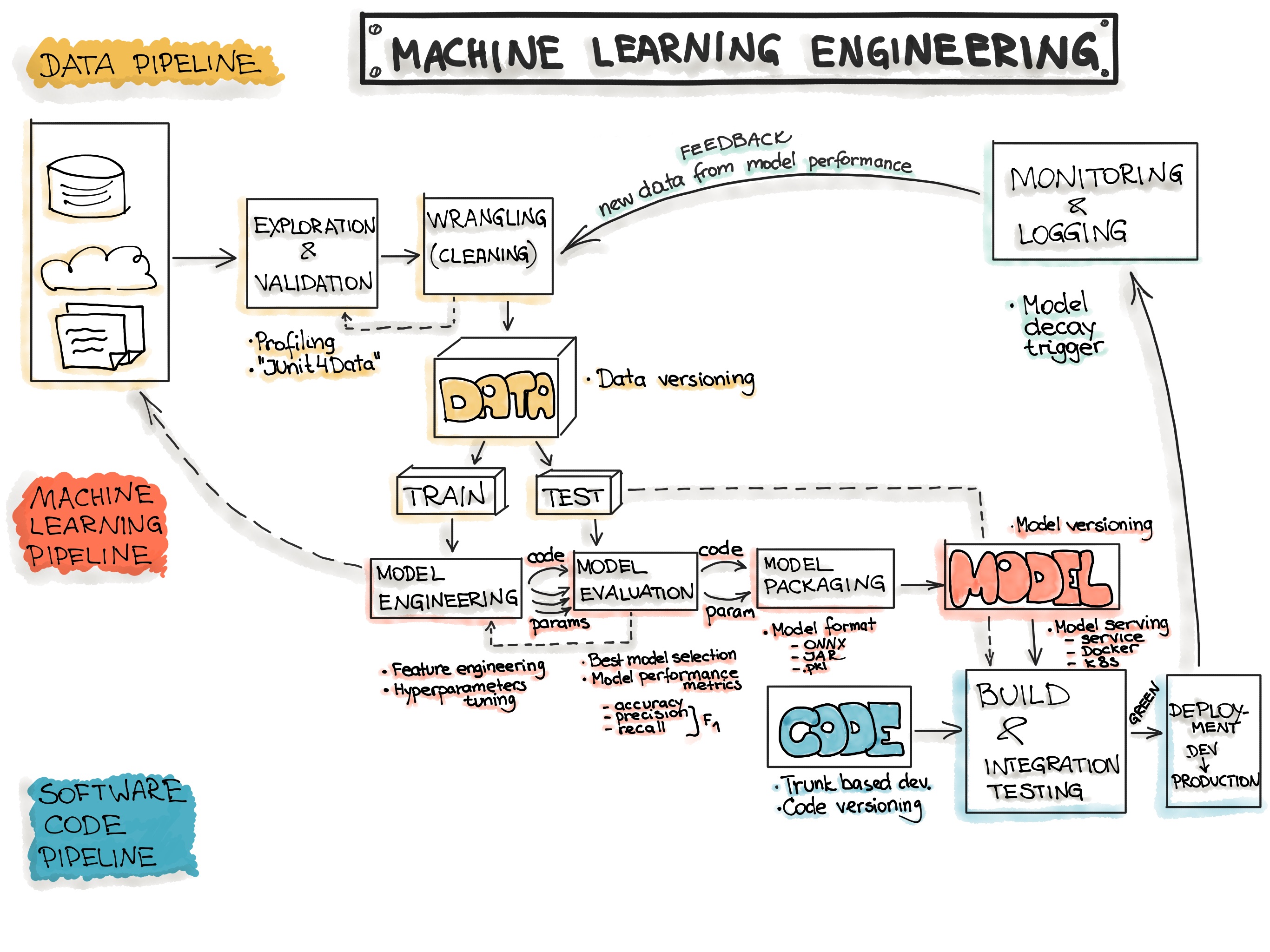
Types of Artificial Intelligence
Artificial intelligence can be grouped based on capability.
1. Narrow AI
This is the only form of AI in practical use today.
Narrow AI is designed to perform a specific task extremely well, such as:
- Recommending videos or products
- Translating languages
- Detecting fraud
- Recognizing images or speech
These systems cannot operate outside their defined domain.
2. General AI
General AI refers to a theoretical system that can learn, reason, and apply intelligence across multiple fields, similar to a human.
This type of AI does not exist yet.
3. Superintelligent AI
A speculative concept where AI surpasses human intelligence in all areas. This remains a subject of research and debate rather than reality.
How Does Artificial Intelligence Work?
AI systems are built using three essential ingredients: data, algorithms, and computing power.
1. Data
Data is the foundation of AI.
AI systems learn from examples such as:
- Text documents
- Images and videos
- Audio recordings
- Sensor data
Better data leads to better learning. Poor or biased data leads to flawed results.
2. Algorithms
Algorithms are mathematical methods that guide how an AI system learns from data.
One of the most common approaches is machine learning, where the system:
- Analyzes input data
- Makes predictions or classifications
- Measures how accurate those predictions are
- Adjusts itself to reduce errors
This loop repeats continuously during training.
3. Neural Networks and Deep Learning
Many modern AI systems rely on neural networks, which are inspired by the structure of the human brain.
Neural networks consist of layers of connected nodes that:
- Receive numerical inputs
- Process them through weighted connections
- Produce an output
When neural networks become large and complex, the approach is called deep learning. Deep learning enables AI to handle complex tasks like image recognition, speech understanding, and natural language processing.
4. Inference
Once training is complete, the AI system enters the inference phase.
This is when it applies what it has learned to new, unseen data. For example:
- Identifying a face it has never encountered
- Translating a new sentence
- Predicting future trends
A Simple Analogy
Imagine teaching a person to identify cars.
You show thousands of images labeled “car” and “not car.” Over time, the learner begins recognizing wheels, shapes, and patterns. Eventually, they can identify cars in completely new images.
AI learns in a similar way, but at far greater speed and scale.
Where Is AI Used Today?
Artificial intelligence is already embedded in everyday systems.
Common applications include:
- Search engines ranking results
- Navigation apps predicting traffic
- Email systems filtering spam
- Banks detecting suspicious transactions
- Healthcare tools assisting diagnosis
- Businesses automating customer support
Most AI works quietly in the background, enhancing efficiency rather than replacing people.
What Artificial Intelligence Cannot Do
Despite its capabilities, AI has clear limitations.
- It does not think or feel like humans
- It lacks awareness or intention
- It relies entirely on training data
- It can make confident mistakes
AI systems do not understand meaning in a human sense. They recognize patterns, not purpose.
Why Artificial Intelligence Matters
AI matters because it changes how intelligence scales.
Tasks that once required large teams or years of experience can now be assisted by systems that:
- Process massive amounts of information
- Detect patterns quickly
- Operate continuously
This makes AI a powerful tool in science, business, healthcare, and education. The real value lies not in replacing humans, but in augmenting human decision-making.
The Long-Term Perspective
Artificial Intelligence is not a single breakthrough. It is an ongoing shift in how software is built and how machines interact with information.
As data grows and systems improve, AI will continue to evolve as a foundational technology, much like electricity or the internet.
Understanding how AI works is no longer optional. It is becoming a core part of digital literacy in the modern world.
Final Thought
Artificial Intelligence is best understood not as a machine that thinks, but as a system that learns.
When used responsibly, AI becomes a powerful partner, helping humans see patterns, make better decisions, and focus on what truly requires human judgment.
The future of AI is not about machines replacing people. It is about people who understand AI replacing those who do not.


Prometheus Raises $12 Billion for AI Engineer

Critical Zero-Day Vulnerability Discovered in Palo Alto Networks Firewalls

Google Chrome Update Fixes 28 Security Vulnerabilities
-

 Entertainment1 year ago
Squid Game Season 3 Trailer Teases a Brutal Finale: Gi-hun Returns for One Last Game
-
Uncategorized9 years ago
These ’90s fashion trends are making a comeback in 2017
-
Business9 years ago
The 9 worst mistakes you can ever make at work
-

 Science8 months ago
Aryabhata: India’s First Satellite That Sparked a Space Revolution
-

 AI/ML5 months ago
Adobe unveils Firefly Foundry to build IP-safe generative AI models for studios
-
Uncategorized9 years ago
According to Dior Couture, this taboo fashion accessory is back
-

 Science12 months ago
Vera C. Rubin Observatory Unveils First-Ever 3,200-Megapixel Images
-
Uncategorized9 years ago
Phillies’ Aaron Altherr makes mind-boggling barehanded play