Tech
Startup adds beds and Wi-Fi to buses to turn them into ‘moving hotels’
Nulla pariatur. Excepteur sint occaecat cupidatat non proident, sunt in culpa qui officia deserunt mollit anim id est laborum.

Et harum quidem rerum facilis est et expedita distinctio. Nam libero tempore, cum soluta nobis est eligendi optio cumque nihil impedit quo minus id quod maxime placeat facere possimus, omnis voluptas assumenda est, omnis dolor repellendus.
Nulla pariatur. Excepteur sint occaecat cupidatat non proident, sunt in culpa qui officia deserunt mollit anim id est laborum.
Sed ut perspiciatis unde omnis iste natus error sit voluptatem accusantium doloremque laudantium, totam rem aperiam, eaque ipsa quae ab illo inventore veritatis et quasi architecto beatae vitae dicta sunt explicabo.
Neque porro quisquam est, qui dolorem ipsum quia dolor sit amet, consectetur, adipisci velit, sed quia non numquam eius modi tempora incidunt ut labore et dolore magnam aliquam quaerat voluptatem. Ut enim ad minima veniam, quis nostrum exercitationem ullam corporis suscipit laboriosam, nisi ut aliquid ex ea commodi consequatur.
At vero eos et accusamus et iusto odio dignissimos ducimus qui blanditiis praesentium voluptatum deleniti atque corrupti quos dolores et quas molestias excepturi sint occaecati cupiditate non provident, similique sunt in culpa qui officia deserunt mollitia animi, id est laborum et dolorum fuga.
“Duis aute irure dolor in reprehenderit in voluptate velit esse cillum dolore eu fugiat”
Quis autem vel eum iure reprehenderit qui in ea voluptate velit esse quam nihil molestiae consequatur, vel illum qui dolorem eum fugiat quo voluptas nulla pariatur.
Temporibus autem quibusdam et aut officiis debitis aut rerum necessitatibus saepe eveniet ut et voluptates repudiandae sint et molestiae non recusandae. Itaque earum rerum hic tenetur a sapiente delectus, ut aut reiciendis voluptatibus maiores alias consequatur aut perferendis doloribus asperiores repellat.
Lorem ipsum dolor sit amet, consectetur adipisicing elit, sed do eiusmod tempor incididunt ut labore et dolore magna aliqua. Ut enim ad minim veniam, quis nostrud exercitation ullamco laboris nisi ut aliquip ex ea commodo consequat.
Nemo enim ipsam voluptatem quia voluptas sit aspernatur aut odit aut fugit, sed quia consequuntur magni dolores eos qui ratione voluptatem sequi nesciunt.







Major Restructuring at xAI Sparks Co-Founder Exodus
Estimated Reading Time: 5 minutes
Key Takeaways
- Elon Musk’s xAI restructured, leading to the exit of six co-founders and over ten engineers.
- Notable departures include co-founders Tony Wu and Jimmy Ba.
- Musk reorganized xAI into four main product teams focused on AI efficiency.
- The restructuring raises questions about the company’s organizational stability and innovation potential.
- Upcoming products such as the standalone XChat app and X Money are anticipated.
Context / Background
xAI was founded by Musk to focus on advanced AI technologies. Following its recent merger with SpaceX, the company took steps aimed at enhancing productivity and ensuring that it could keep pace with the rapidly evolving AI landscape. The restructuring was officially announced just days before an all-hands meeting held on February 10, 2026, which marked the first such meeting since the merger.
Key Details
The wave of departures included prominent figures such as Tony Wu, who announced his resignation via X on February 9, stating it was “time for my next chapter.” Co-founder Jimmy Ba followed suit during the all-hands meeting, where he thanked Musk and made a bold prediction of achieving “100x productivity” in AI within a year. Other co-founders who exited included Hang Gao, Roland Gavrilescu, and Chace Lee, with plans to start new AI ventures comprising smaller teams.
This restructuring resulted in a dramatic reduction of xAI’s founding team, with only six of the original twelve members remaining. Additionally, more than ten engineers publicly departed in the same week, further indicating a shift within the company. Despite these exits, xAI retains more than 1,000 employees and continues to hire aggressively, signaling an important push for growth.
In terms of organizational changes, Musk reorganized xAI into four primary product teams: Grok, Grok Voice, Grok Code, and Grok Imagine, along with a team focused on Macrohard, which aims to automate white-collar work utilizing Grok-powered multi-agent systems. Musk emphasized that these changes were necessary to improve the speed of execution as the company evolves. He stated that some individuals were “better suited for early stages” of development and less so for later stages, which justified the need to “part ways” with specific team members.
Impact
The departures could have ramifications for xAI’s capabilities and innovation, especially given the ongoing competition with AI leaders such as OpenAI, Anthropic, and Google. The restructuring has triggered discussions about employee retention in an industry rife with rapid advances and significant talent poaching.
Furthermore, the controversy surrounding xAI is compounded by ongoing regulatory scrutiny. Notably, French authorities raided X offices in relation to concerns over the potential misuse of Grok technologies, particularly in generating non-consensual deepfakes, which could reflect deeper issues regarding ethical AI deployment and corporate governance.
For users and stakeholders, the rapid changes signal an early push towards a more structured product development path at xAI. However, it raises questions about organizational stability and the firm’s ability to innovate amid the exits of experienced personnel.
What’s Next
As xAI forges ahead, the company is poised for significant developments, especially with Musk’s ambitious visions laid out during the all-hands meeting. These include the forthcoming standalone XChat app for messaging and video communication, along with X Money, an application designed for global financial transactions that is currently in a closed beta phase. With the anticipated IPO in 2026, the structural changes could ultimately play a crucial role in how well xAI responds to market demands and regulatory challenges in the coming years.
FAQ Section
What happened to the xAI co-founders?
Six out of the twelve original co-founders left xAI due to a significant restructuring aimed at improving efficiency after the company’s merger with SpaceX.
Who are the departed co-founders?
The departed co-founders include Tony Wu, Jimmy Ba, Hang Gao, Roland Gavrilescu, and Chace Lee.
Why did they leave?
They expressed the need for new ventures and aspirations, and Musk indicated that some were better suited for earlier stages of development.
What are the organizational changes at xAI?
xAI has been reorganized into four primary product teams: Grok, Grok Voice, Grok Code, and Grok Imagine, along with a focus on Macrohard for automating white-collar work.
How will this affect xAI?
The restructuring could impact xAI’s innovation capabilities and its ability to retain talent amidst fierce competition in the AI industry.
India to Push for Global AI Commons at AI Impact Summit in New Delhi
- India aims to establish a “global AI commons” at the AI Impact Summit on February 19-20, 2026.
- Focus on AI’s potential to drive social impact in health, education, and agriculture.
- Collaboration among nations to share resources and technologies rather than just purchasing them is emphasized.
- 12 projects are currently funded to enhance India’s AI capabilities.
- The summit will guide discussions around global collaboration in AI technologies.
Main Content
Context / Background
Key Details
Impact
What’s Next
FAQ Section
What is the AI Impact Summit?
When will the AI Impact Summit take place?
What is the goal of establishing a “global AI commons”?
What role does India aim to play in AI advancements?
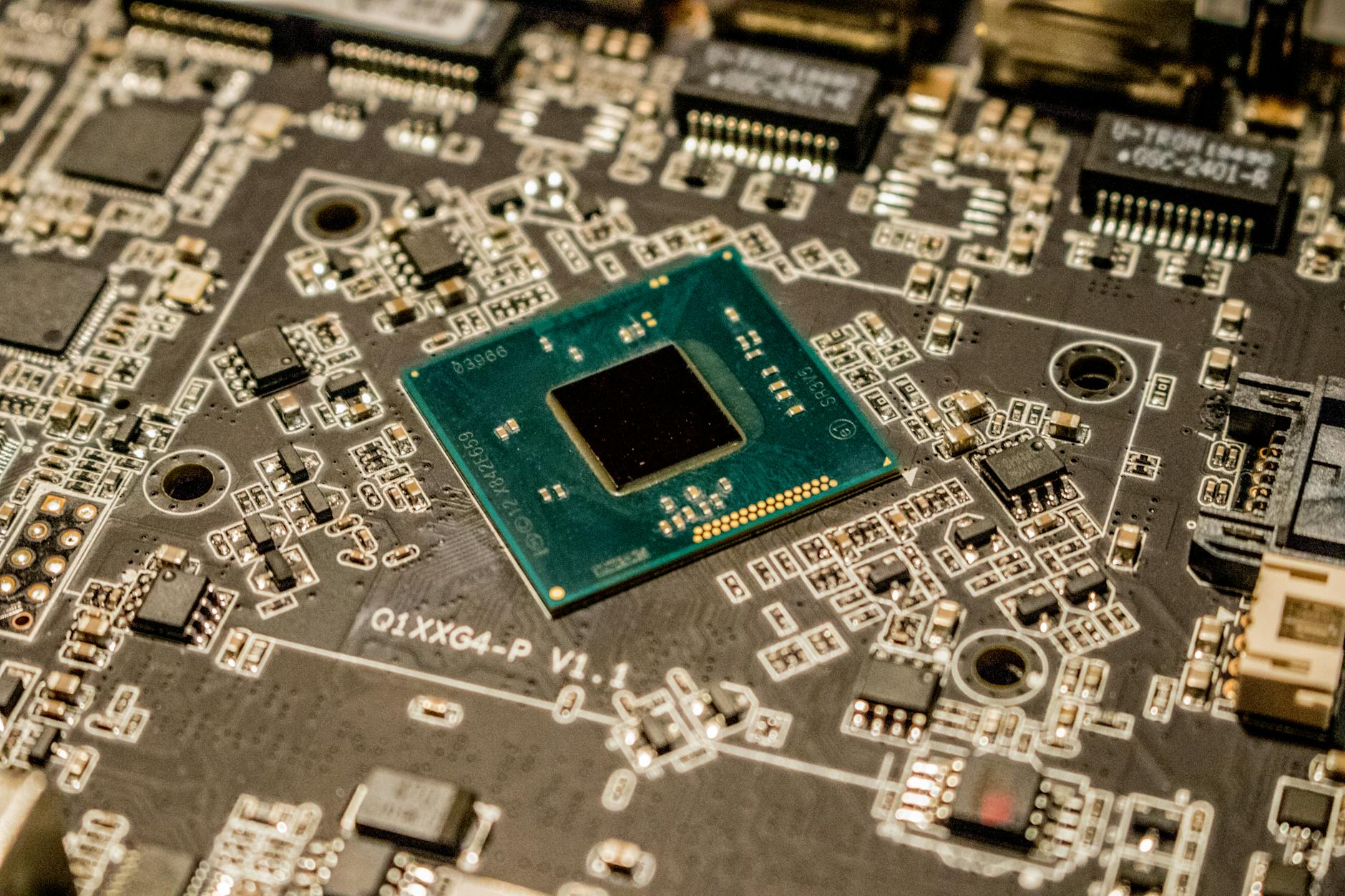
Broadcom and TSMC Position Themselves as Key Players in the AI Semiconductor Landscape
Estimated Reading Time: 5 minutes
Key Takeaways
- Broadcom and TSMC are enhancing their roles in the AI semiconductor market through potential acquisitions and partnerships.
- Broadcom is considering an acquisition of Intel’s chip design operations but faces strategic complexities.
- TSMC may manage Intel’s manufacturing operations, encouraged by U.S. government policies.
- Both companies are poised to reshape competitive dynamics in the semiconductor industry amidst Intel’s challenges.
- Broadcom reported significant revenue growth, underscoring the rising demand for custom AI chips.
Main Content
Context / Background
Broadcom and TSMC are emerging as key players in the semiconductor market, especially with the growing demand for AI infrastructure. Broadcom specializes in networking gear and custom silicon architectures, while TSMC, the largest semiconductor foundry, controls approximately 70% of the market for advanced chip manufacturing. The collaboration aims to meet the increasing need for AI accelerators.
Key Details
Broadcom is reportedly interested in acquiring Intel’s chip design and marketing operations following informal discussions. However, any formal offer is contingent upon securing a partner to assume control of Intel’s manufacturing division, illustrating the strategic complexities involved. Meanwhile, TSMC is in preliminary discussions to potentially acquire or manage Intel’s manufacturing division, spurred by supportive government policies from the Trump administration. This could represent a substantial shift from Intel’s historically integrated model of design and manufacturing to a more outsourced strategy.
Furthermore, TSMC has introduced the idea of a joint venture with partners like Nvidia, AMD, and Broadcom to manage Intel’s foundry while ensuring no more than a 50% ownership stake to avoid complete foreign control over a vital asset in U.S. tech infrastructure.
Broadcom’s recent financial results illustrate its robust position within the AI semiconductor sector, reporting revenues of $18.02 billion for Q1 FY2026, up 28% year-over-year. The rising demand for custom AI chips is a major factor driving this growth, with forecasts estimating revenues could double year-over-year. TSMC also witnessed a Q4 2025 revenue of $33.73 billion, a 20.5% increase year-over-year, and expects a strong Q1 2026, reinforcing confidence in sustained spending on AI infrastructure.
Impact
The ramifications of these developments are substantial for a variety of stakeholders. Broadcom’s emphasis on custom AI architectures provides data centers with specialized solutions, potentially boosting the performance of essential technology companies such as Microsoft, Alphabet, Amazon, and Meta, all of which utilize TSMC’s advanced chip manufacturing capabilities. The capacity of Broadcom and TSMC to deliver high-performance computing chips will likely enhance their significance amid the rising demands for AI.
Additionally, the situation surrounding Intel mirrors broader industry challenges. Intel’s stock has plummeted by 60%, alongside considerable workforce cuts and setbacks in its manufacturing strategy under former CEO Pat Gelsinger. These difficulties create opportunities for Broadcom and TSMC to assume a more pivotal role within the semiconductor ecosystem.
The partnership between Broadcom and TSMC not only strengthens their market positions but also alters the competitive dynamics of the semiconductor industry. With TSMC manufacturing chips at advanced nodes like 3nm and 5nm—essential for high-performance computing—the collaboration could streamline the pathway toward more efficient and powerful AI solutions.
What’s Next
As Broadcom and TSMC continue to negotiate their positions, the industry will be closely monitoring how these discussions influence the future of Intel. The success of potential acquisitions or partnerships could indicate a significant restructuring within semiconductor manufacturing and design dynamics. For the tech market, this realignment may foster more competitive pricing and advanced technologies tailored for AI applications. Ongoing developments will be essential to observe as Broadcom and TSMC navigate this landscape, potentially benefiting a diverse range of stakeholders, including consumers relying on cutting-edge technology.
FAQ Section
What are the plans for Broadcom and TSMC in the AI semiconductor market?
Broadcom and TSMC are considering potential collaborations and acquisitions, including interest in Intel’s chip design and manufacturing operations, to enhance their market positions in the AI semiconductor landscape.
How is Intel’s situation impacting the semiconductor industry?
Intel’s challenges, including stock declines and operational setbacks, are creating opportunities for Broadcom and TSMC to become more central players in the semiconductor ecosystem, as they seek to seize market share amidst Intel’s struggles.


xAI Restructuring Leads to Major Co-Founder Departures

India Pursues Global AI Commons at Summit in New Delhi

Broadcom and TSMC Shape AI Semiconductor Industry
-

 Entertainment10 months ago
Squid Game Season 3 Trailer Teases a Brutal Finale: Gi-hun Returns for One Last Game
-
Fashion9 years ago
These ’90s fashion trends are making a comeback in 2017
-
Business9 years ago
The 9 worst mistakes you can ever make at work
-

 Science6 months ago
Aryabhata: India’s First Satellite That Sparked a Space Revolution
-

 AI/ML2 months ago
Adobe unveils Firefly Foundry to build IP-safe generative AI models for studios
-
Fashion9 years ago
According to Dior Couture, this taboo fashion accessory is back
-

 Science10 months ago
Vera C. Rubin Observatory Unveils First-Ever 3,200-Megapixel Images
-
Sports9 years ago
Phillies’ Aaron Altherr makes mind-boggling barehanded play